We believe parents are the most important part of a child’s developmental journey.
Our parent guidance programs include:
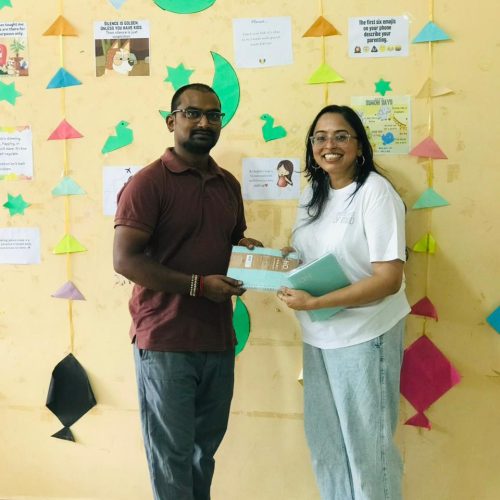
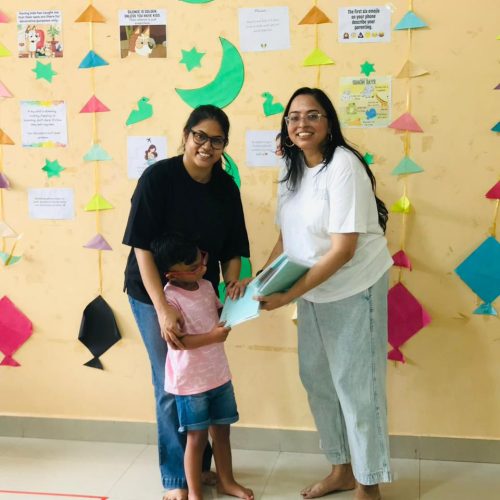
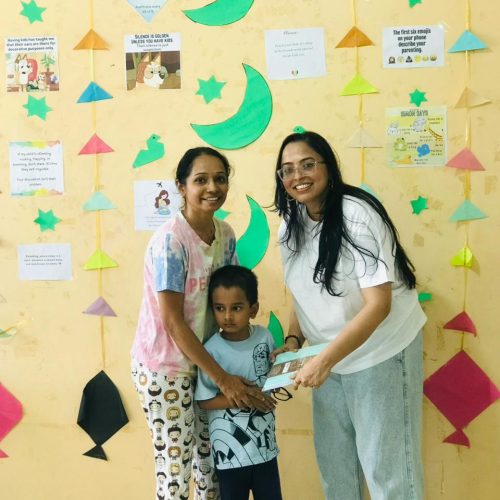
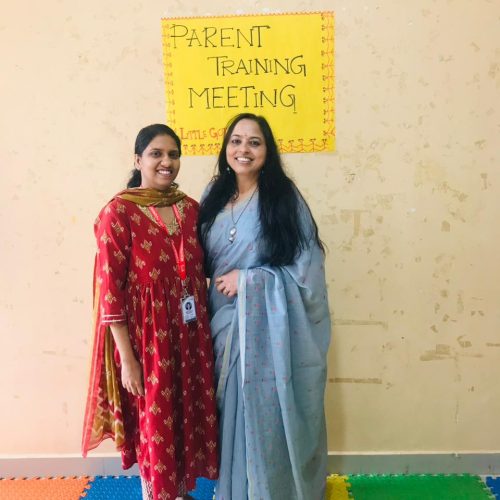
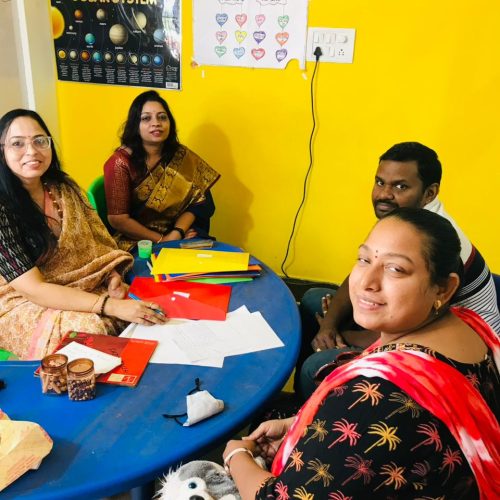
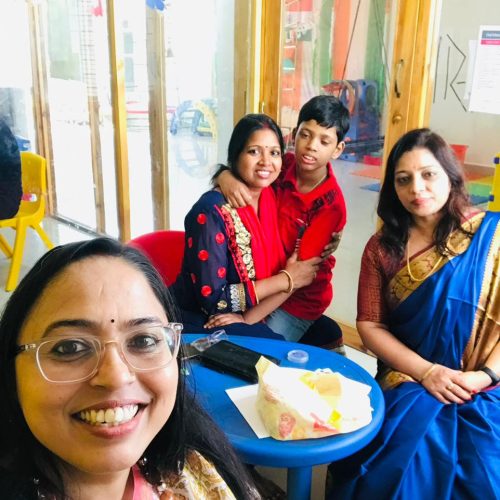
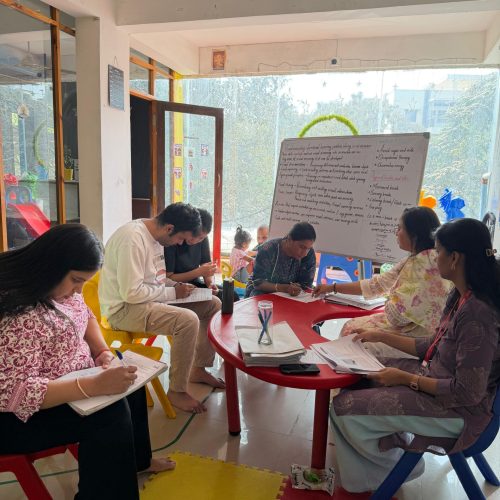
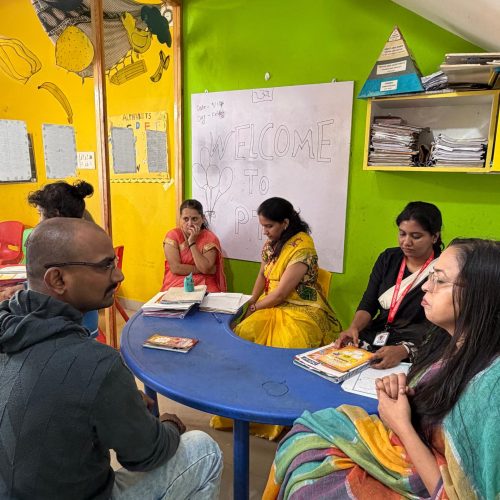
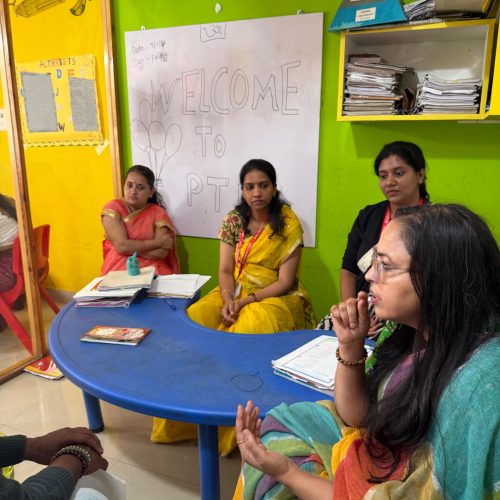
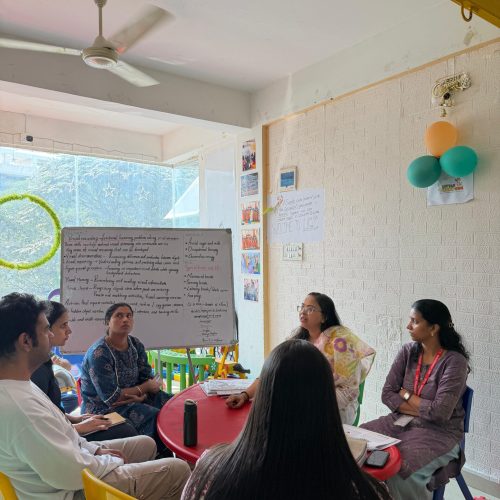
Learn. Observe. Practice. Excel.
At Little Golden Cub Foundation – Child Development & Autism Research Centre, we are committed to developing the next generation of skilled rehabilitation and healthcare professionals. Our comprehensive training programs combine evidence-based knowledge with real-world clinical experience, helping students and professionals build confidence, competence, and clinical excellence.
Whether you are a student beginning your clinical journey or a professional looking to enhance your skills, our workshops, internships, and advanced training programs are designed to bridge the gap between academic learning and practical application.
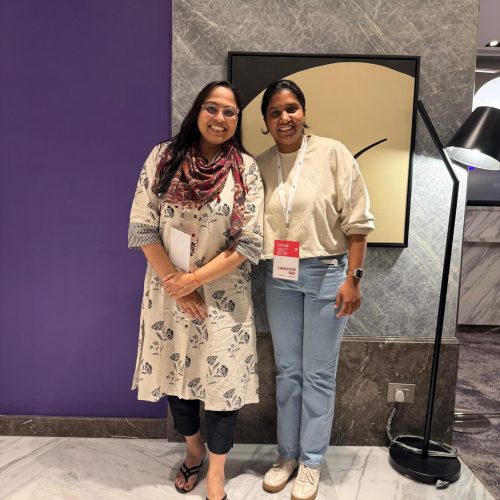
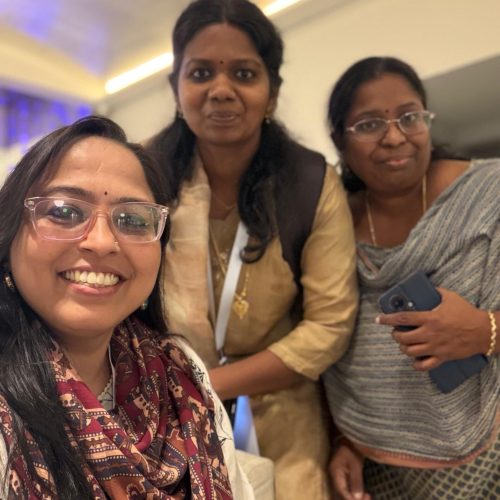
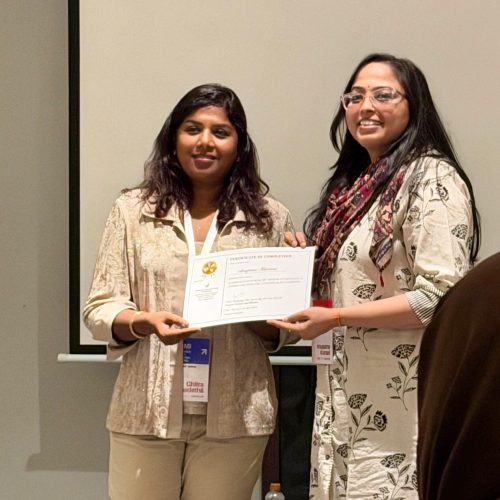
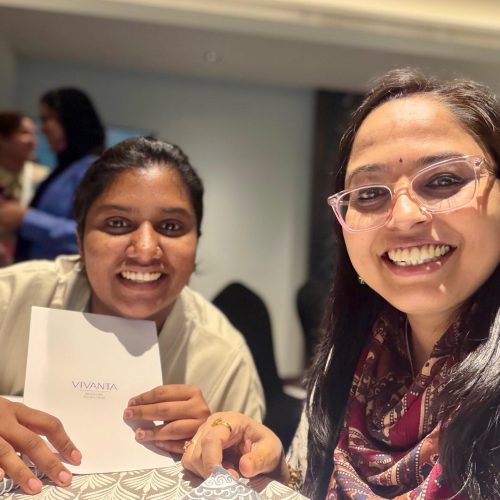
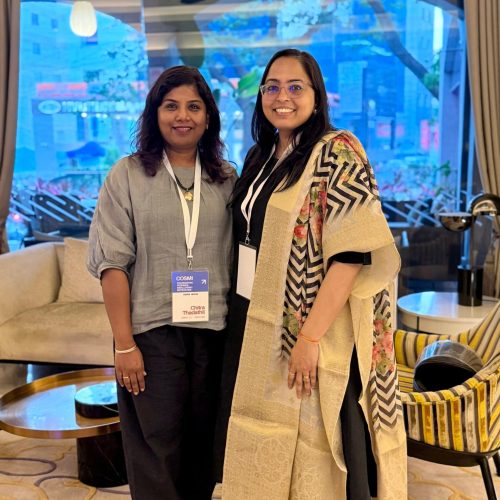
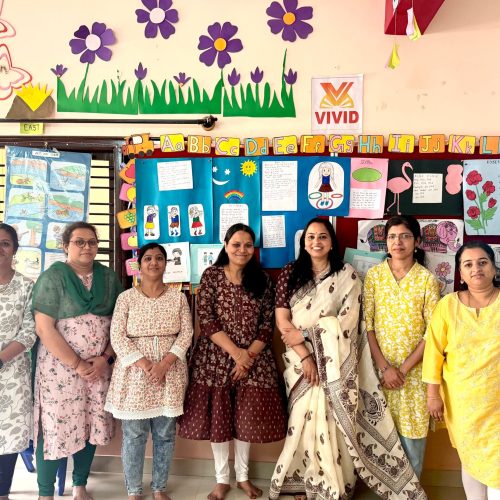
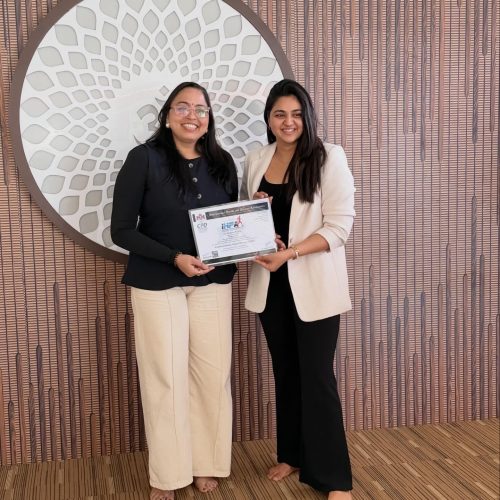
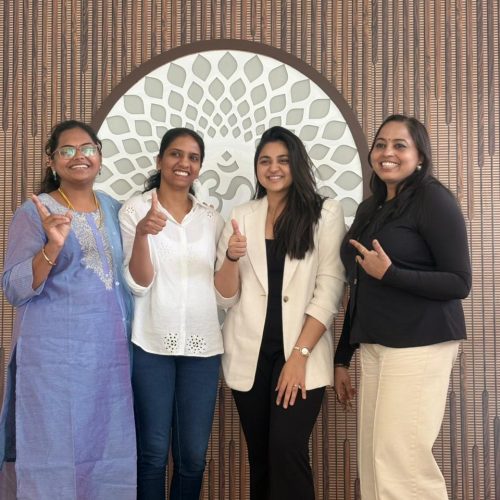
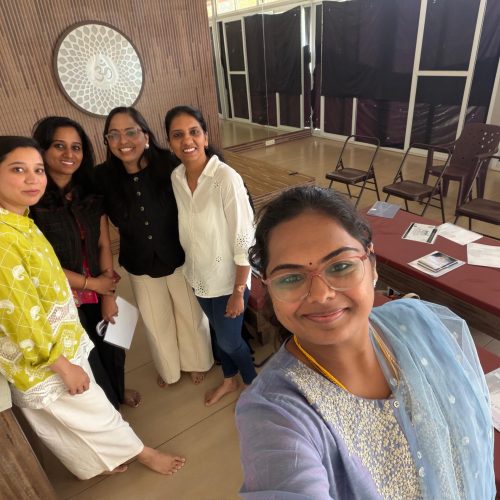
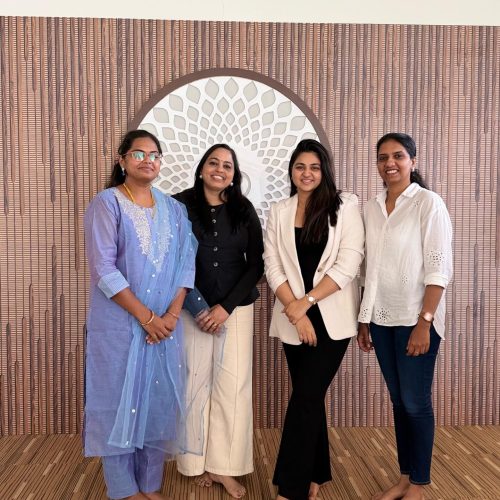
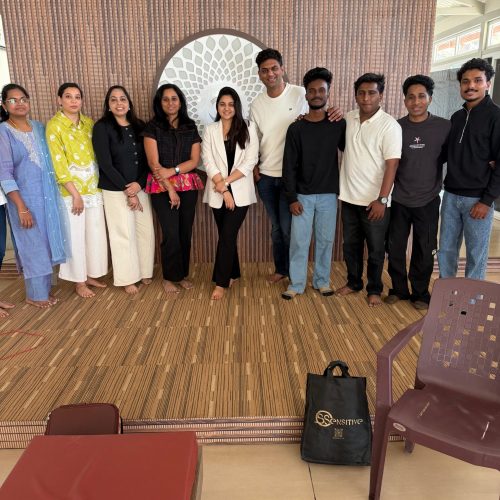
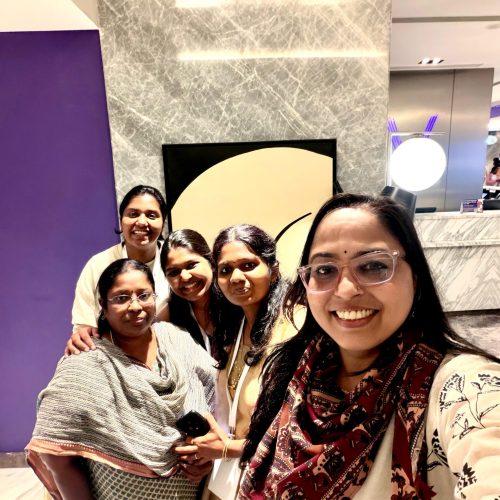
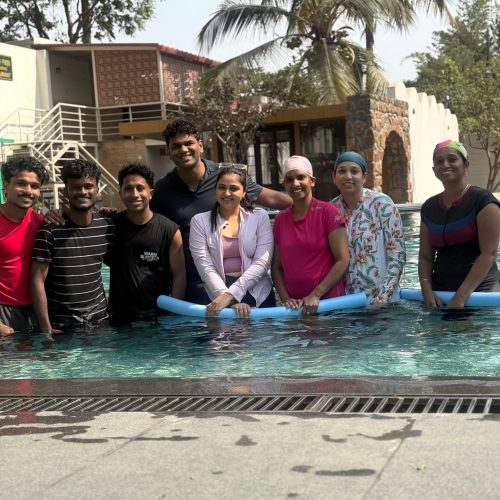
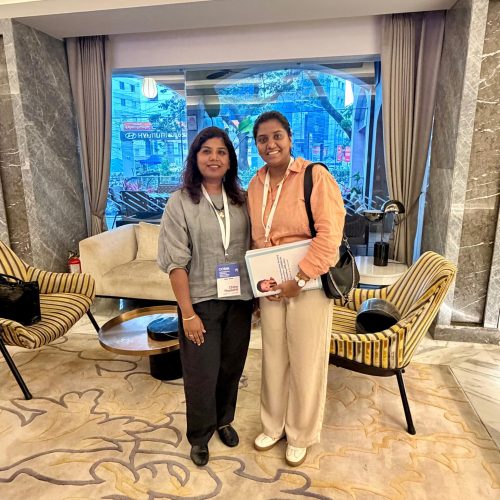
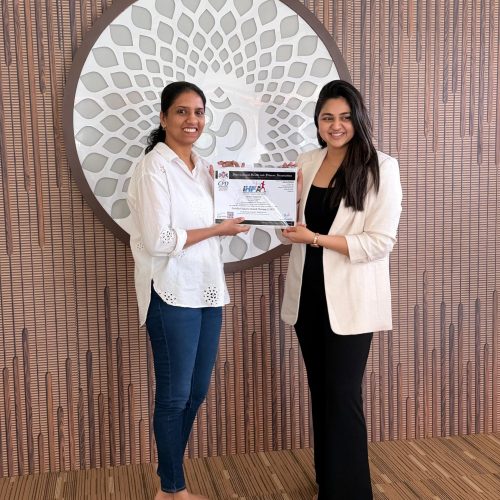
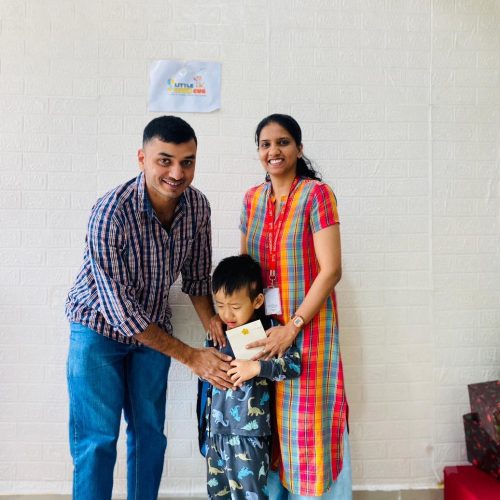

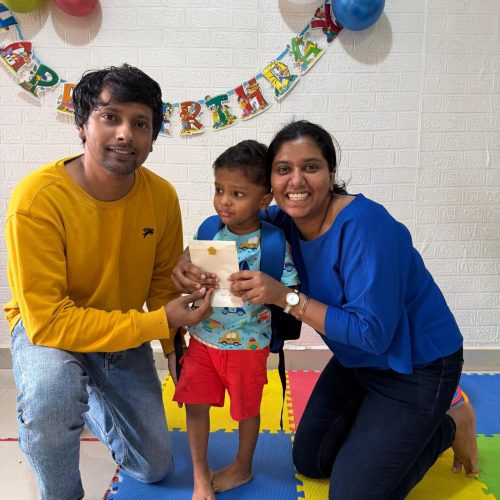
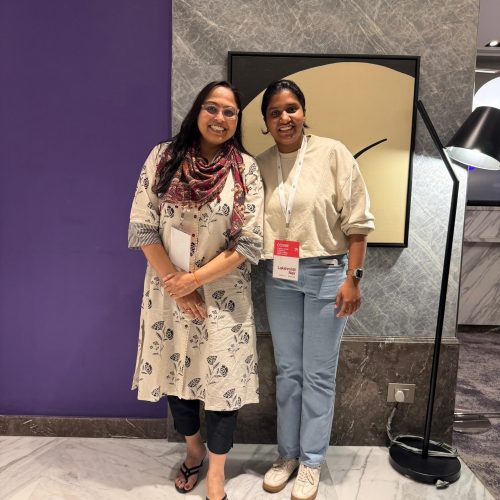
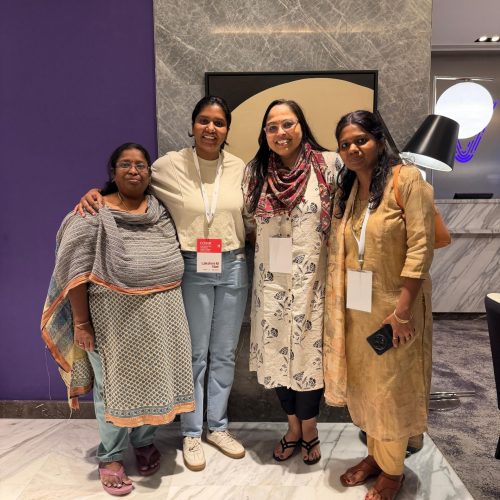
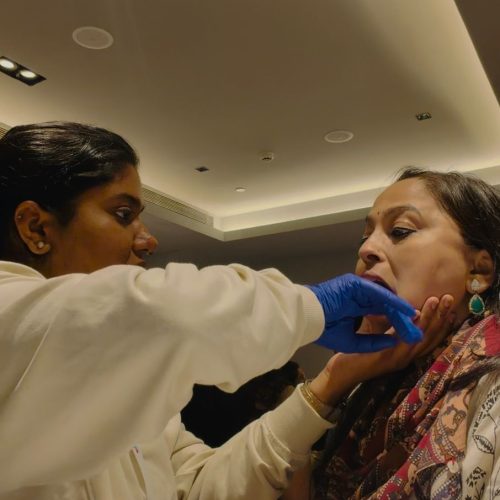
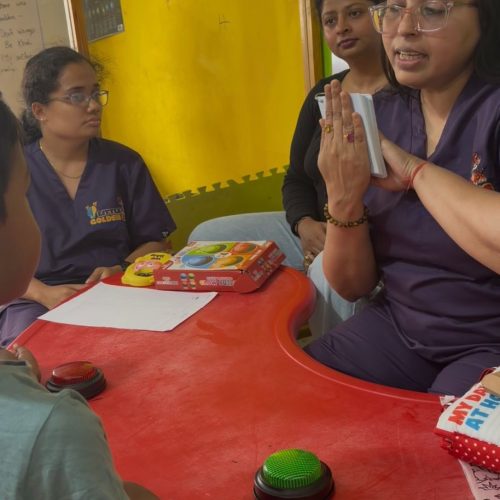
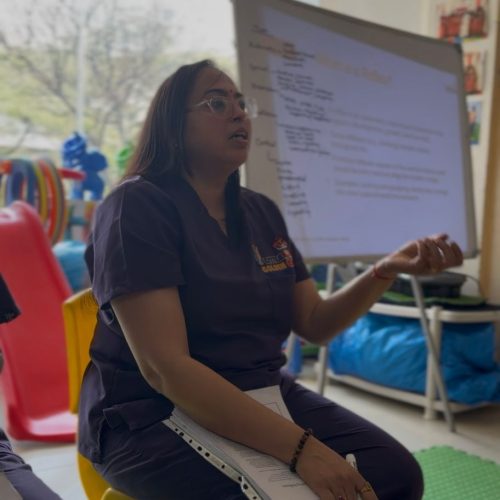
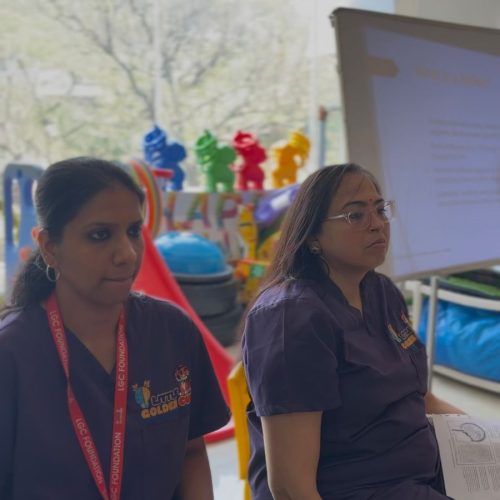
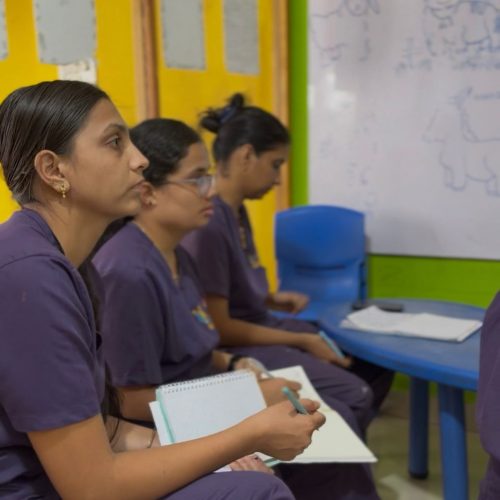
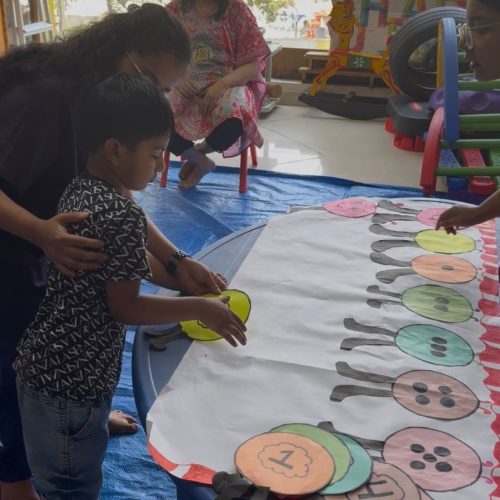
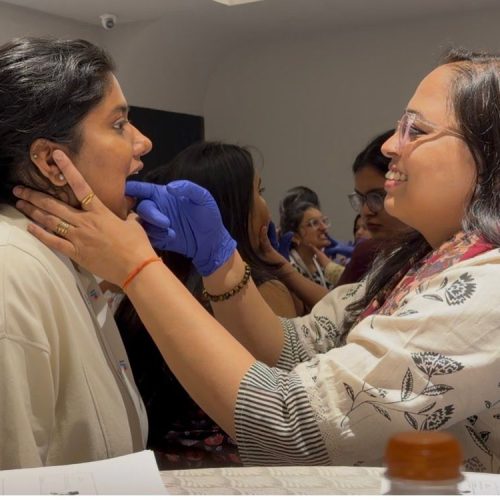
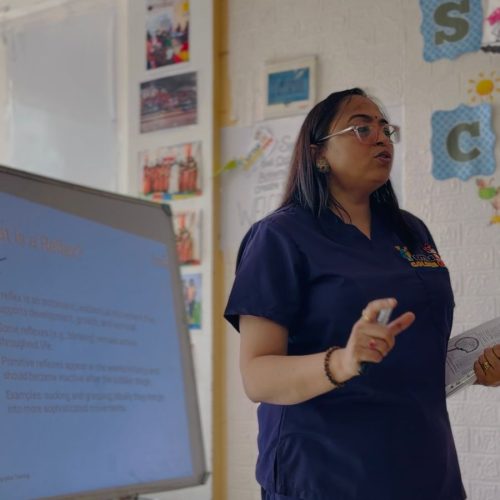
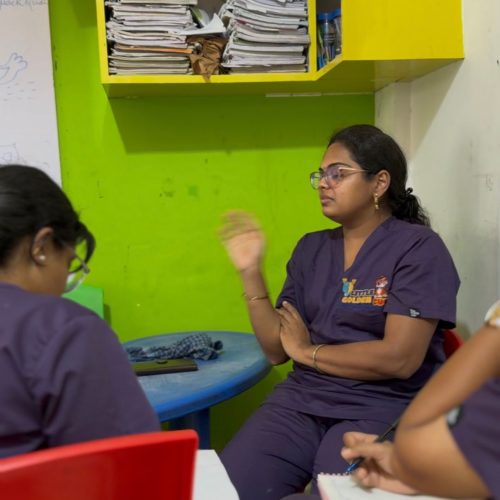
Our interactive workshops are conducted by experienced clinicians and focus on practical learning, case-based discussions, demonstrations, and evidence-based clinical approaches.
Our structured internship program offers supervised clinical exposure in a multidisciplinary child development setting. Interns gain valuable experience by observing and participating in real clinical practice while working alongside experienced therapists.
We collaborate with colleges, universities, hospitals, rehabilitation centres, NGOs, and academic institutions to deliver customized workshops, faculty development programs, clinical training, student internships, and professional skill development initiatives.
We believe that meaningful clinical education is built through experience, mentorship, and evidence-based practice. Our goal is to empower future professionals with the knowledge, skills, and confidence needed to make a lasting difference in the lives of children and families.
Take the next step in your professional journey by learning from experienced clinicians in a multidisciplinary clinical environment. Whether you are looking for a workshop, internship, observership, or advanced professional training, Little Golden Cub Foundation provides an enriching learning experience designed to prepare you for real-world clinical practice.
For workshop bookings, institutional collaborations, and internship enquiries, please contact our team.
Bridging the Gap Between Classroom Learning and Clinical Practice
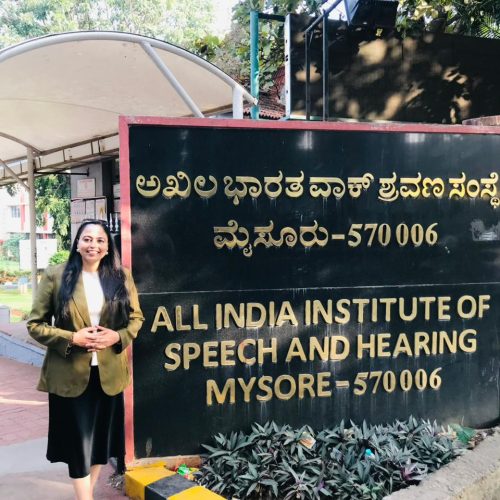
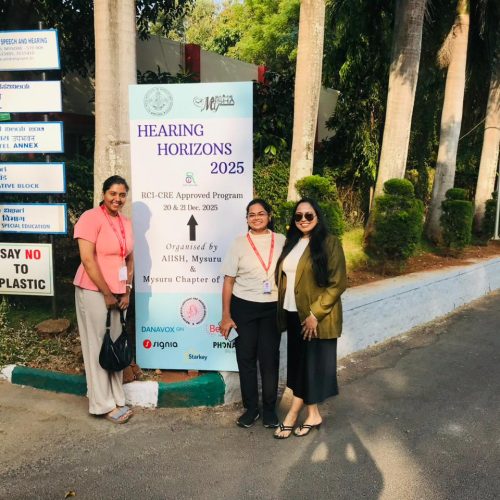
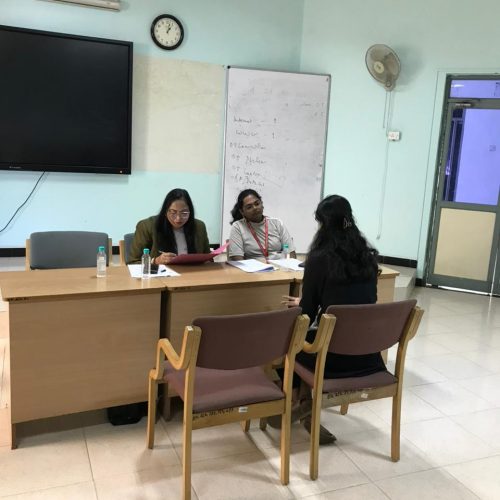
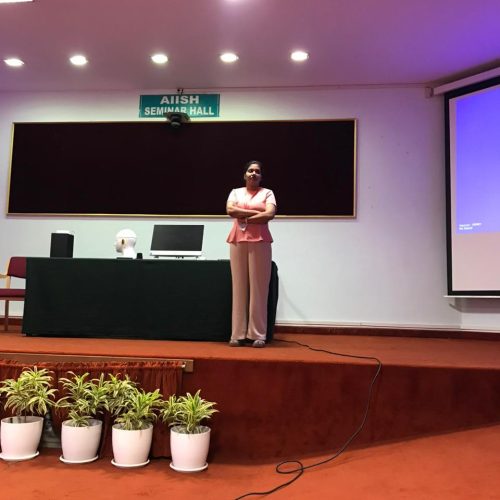
At Little Golden Cub Foundation – Child Development & Autism Research Centre, we believe that future healthcare professionals deserve practical exposure alongside academic knowledge. Through our Campus Connect Program, we collaborate with colleges and universities to enhance students’ clinical skills, professional confidence, and career readiness.
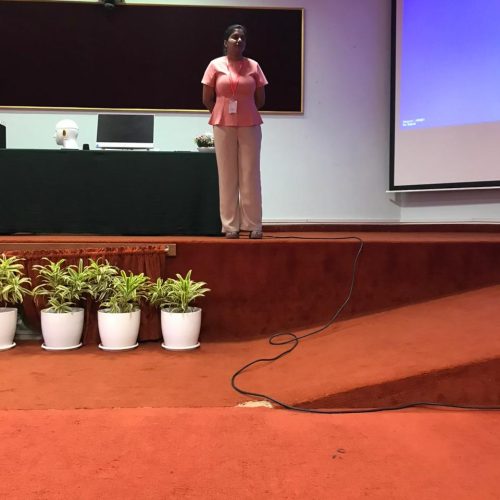

Campus Placement Support
We offer campus placement opportunities for deserving students through structured recruitment drives. Students demonstrating strong clinical knowledge, professionalism, and practical skills may be considered for internship-to-employment pathways at our centres.
Our expert-led workshops are designed to provide hands-on, evidence-based learning beyond textbooks. Sessions are available in both online and offline formats and include live demonstrations, case discussions, interactive activities, and practical clinical insights.
Our experienced multidisciplinary team conducts inspiring guest lectures on emerging trends, research, and best clinical practices in child development, rehabilitation, and neurodevelopmental disorders. Sessions are customized to meet your institution’s curriculum and learning objectives.
We welcome collaborations with educational institutions across India to empower students with the knowledge, skills, and confidence required for successful careers in healthcare and rehabilitation.
For institutional collaborations, workshop bookings, guest lectures, or campus placement partnerships, please contact our team. Together, we can prepare the next generation of compassionate and competent healthcare professionals.
At LGC Foundation, we believe that informed families and empowered caregivers create stronger developmental outcomes for children. Access to the right knowledge, therapeutic tools, and evidence-based guidance plays a vital role in supporting a child’s growth, learning, communication, emotional regulation, and independence.
Our Resources & Knowledge Center is thoughtfully designed for parents, educators, therapists, caregivers, and professionals working with children with Autism Spectrum Disorder (ASD), ADHD, sensory processing difficulties, learning disabilities, speech and language delays, and other neurodevelopmental conditions.
Through this platform, we aim to bridge the gap between clinical expertise and practical everyday support by providing scientifically informed, easy-to-understand, and application-oriented resources that help families make confident and informed decisions for their child’s developmental journey.
Structured strategies, sensory activities, behavioral guidance, communication-building techniques, and home-based therapeutic support plans for daily implementation.
Information on early developmental signs, red flags, milestone tracking, and early intervention awareness to support timely identification and intervention.
Evidence-based articles and practical guidance on:
Tools and strategies for classroom participation, attention building, handwriting readiness, social interaction, inclusive education, and learning support.
Latest insights from neuroscience, pediatric rehabilitation, developmental psychology, and child neurodevelopment research to keep families and professionals updated with emerging evidence-based practices.
Printable visual schedules, behavior charts, sensory diet activities, communication supports, fine motor activities, parent checklists, and therapeutic resource materials.
At LGC Foundation, we are committed to creating a community where families feel supported, educated, and actively involved in the therapeutic process. Our goal is not only to provide intervention services but also to empower caregivers and professionals with reliable knowledge that strengthens long-term developmental success for every child.
Because when families understand the “why” behind therapy, meaningful progress becomes more achievable, collaborative, and sustainable.
You cannot copy content of this page