Occupational Therapy

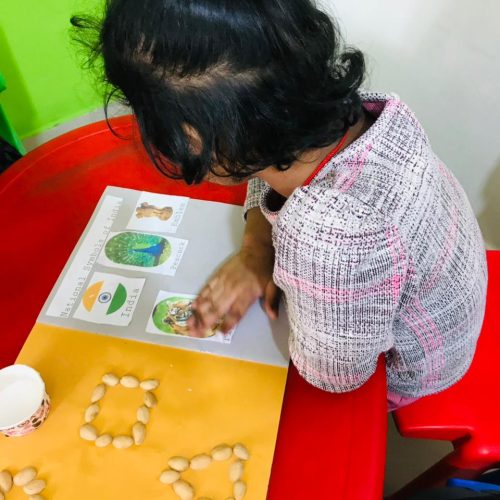
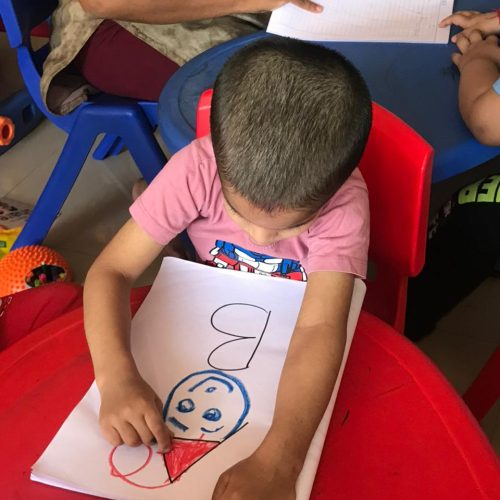
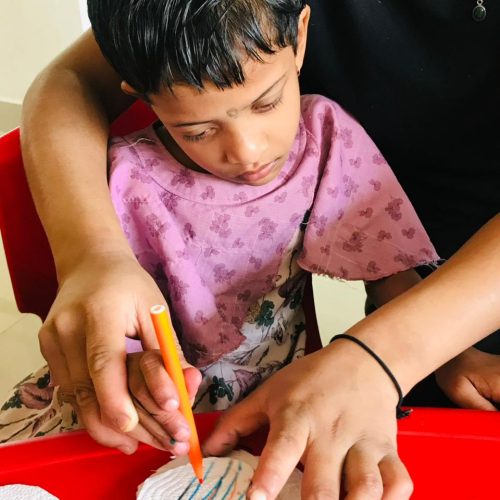
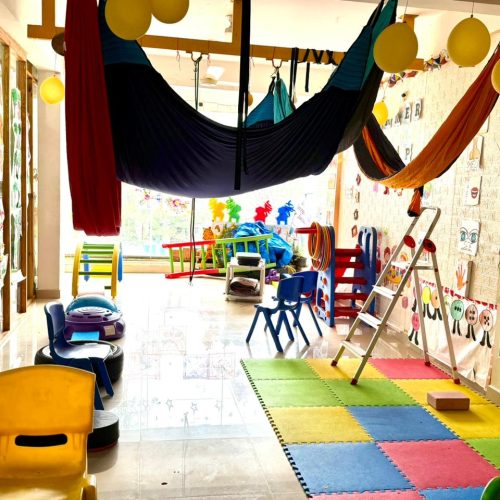
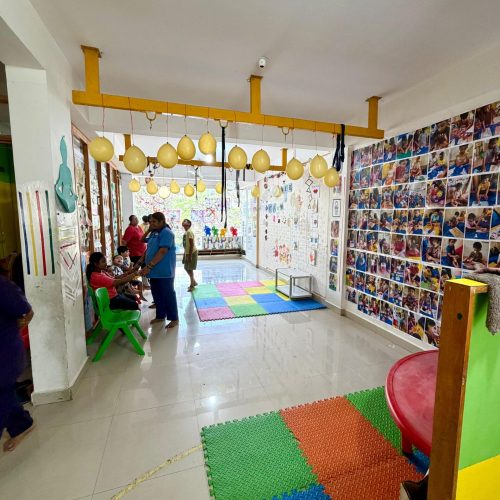
Pediatric Occupational Therapy (OT) helps children develop the foundational skills they need to participate fully in daily life. Children with developmental delays, sensory processing challenges, autism, ADHD, or physical disabilities often struggle with activities that are essential for independence — such as dressing, eating, writing, or playing with peers.

 Our OT program is based on evidence from sensory integration theory (Ayres ASI 1972) and motor learning frameworks (CLASI). Therapy focuses on enhancing fine and gross motor skills, sensory integration, visual-motor coordination, self-care skills, and adaptive behaviors.

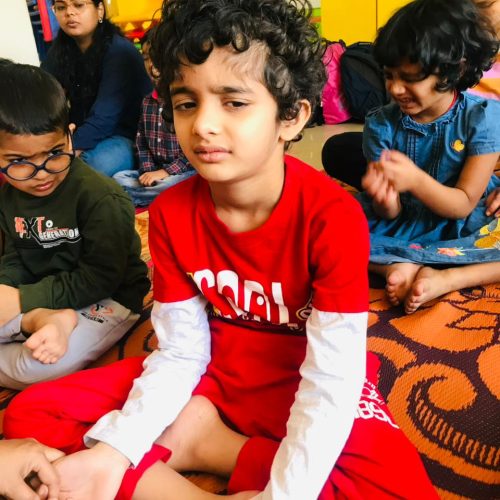
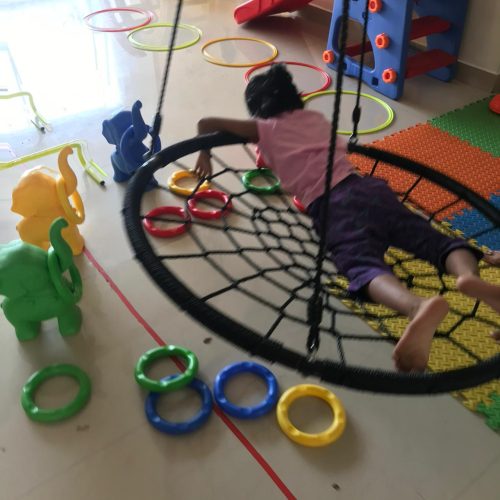
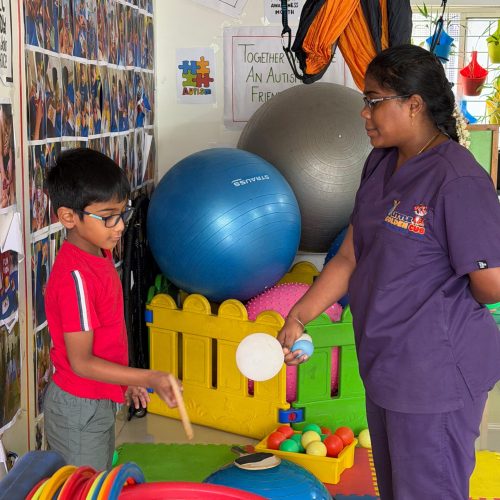
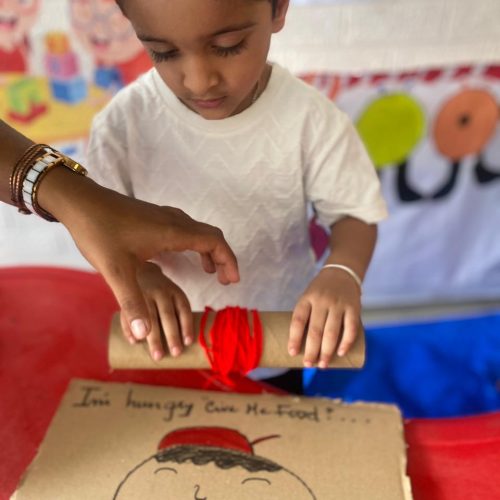
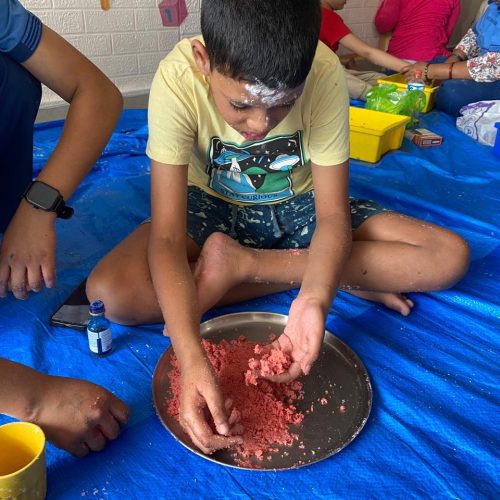
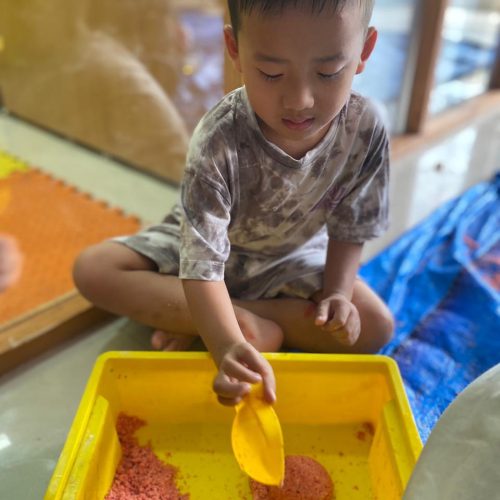
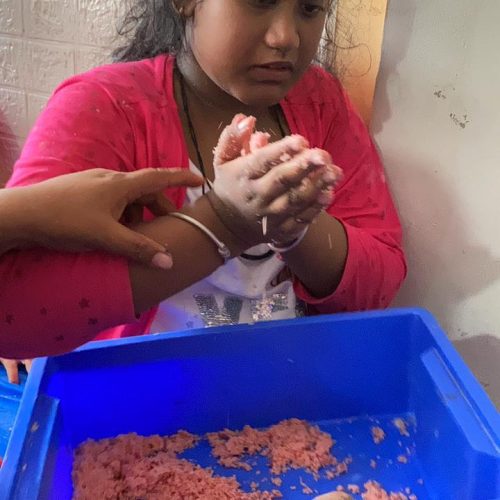
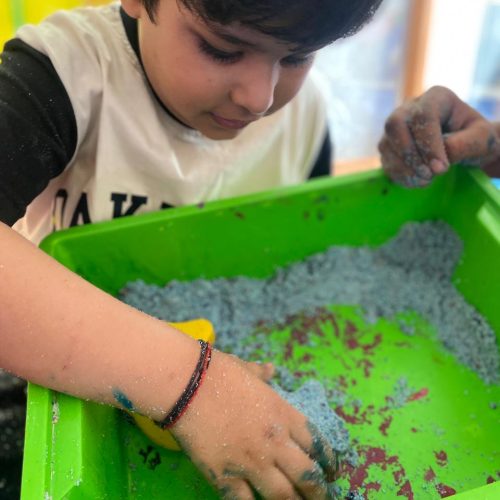
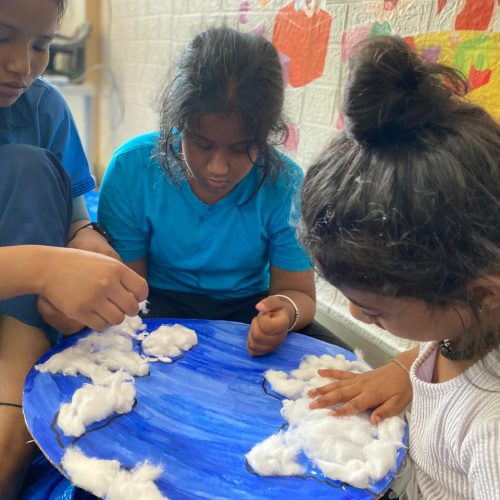
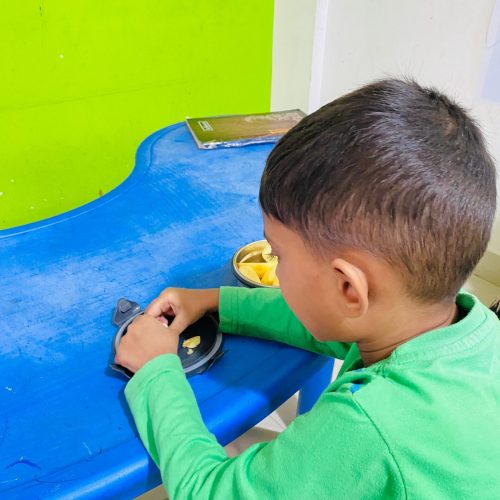
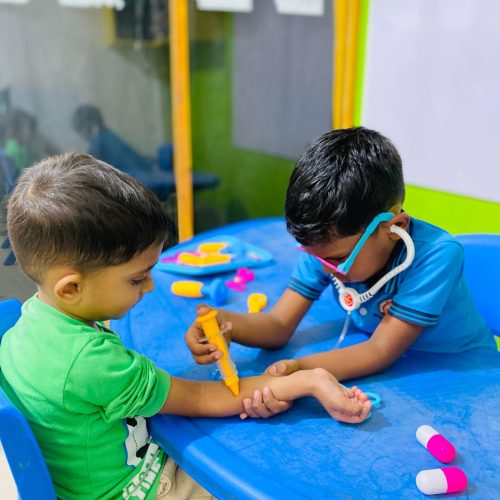
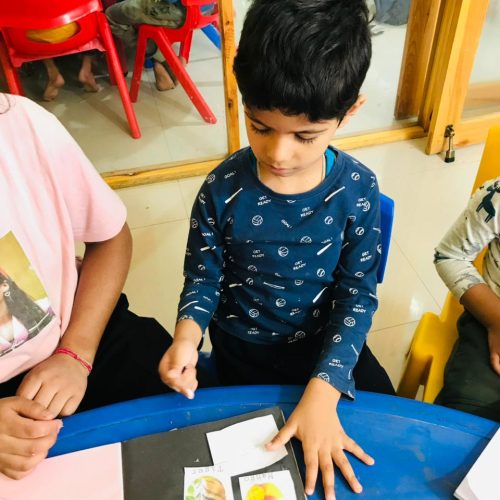
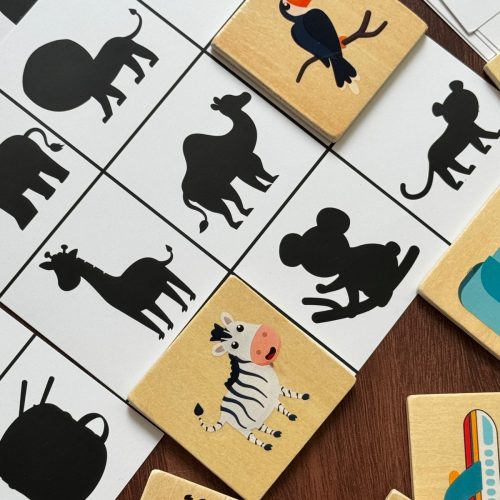
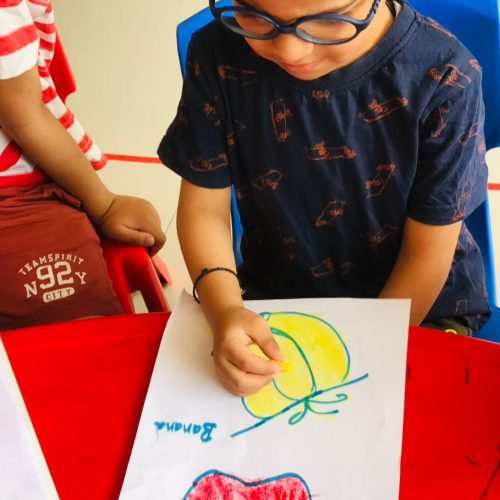
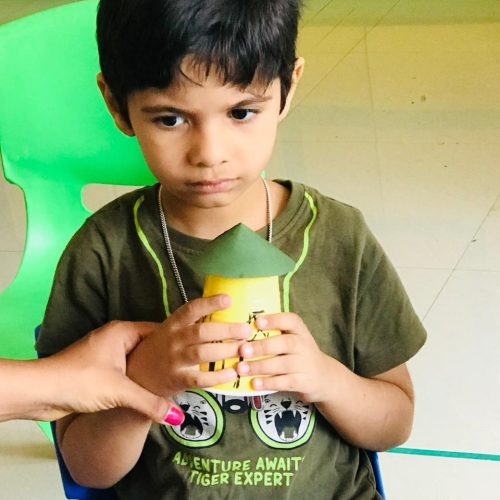
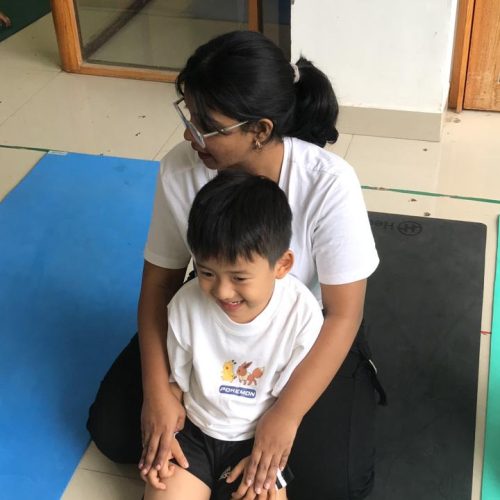
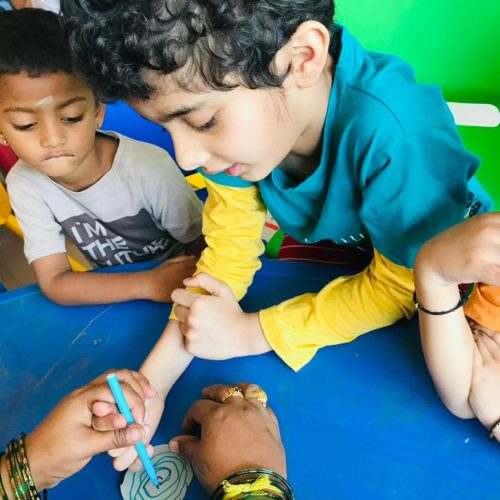
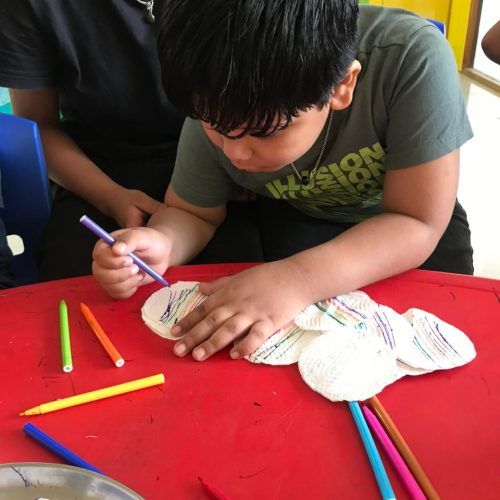
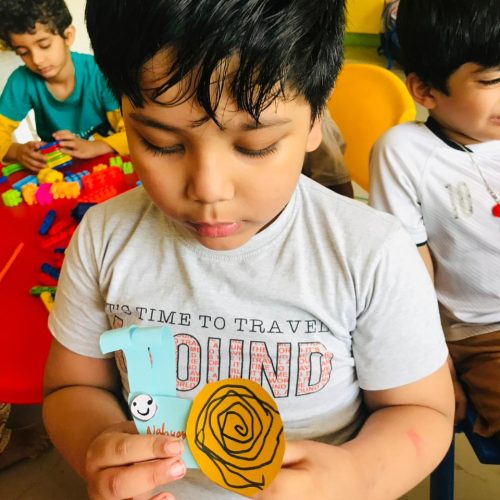
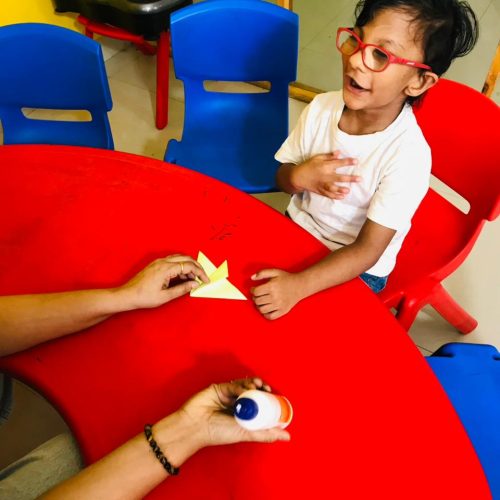
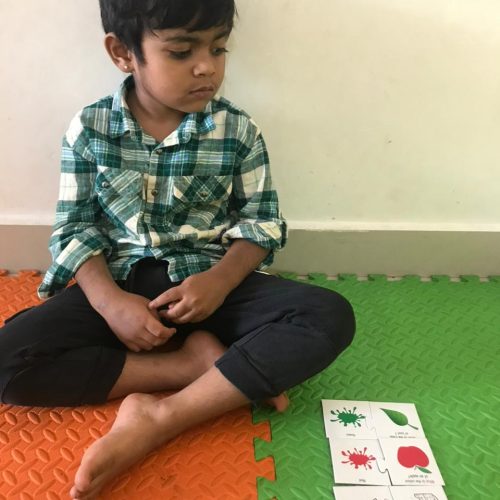
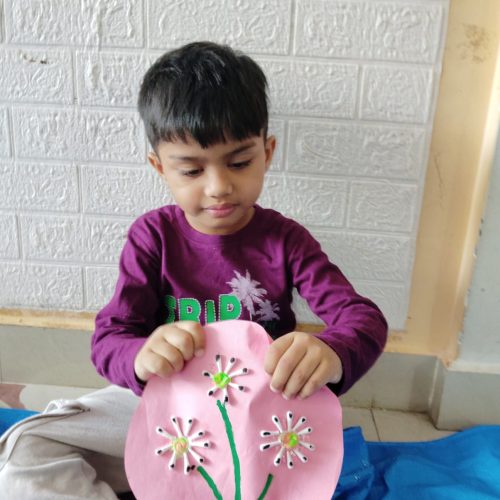
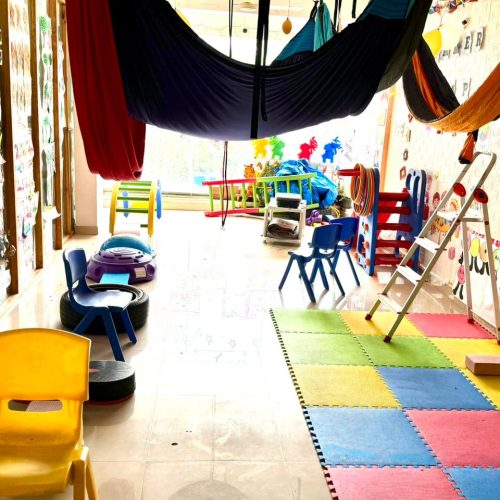
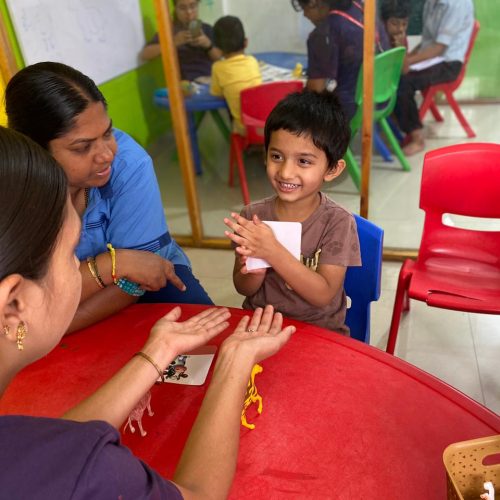
 We use individualized, play-based approaches to motivate children, while integrating targeted activities that improve strength, coordination, and sensory processing. Each plan is designed to gradually build confidence and enable children to achieve milestones critical for daily living and academic success.


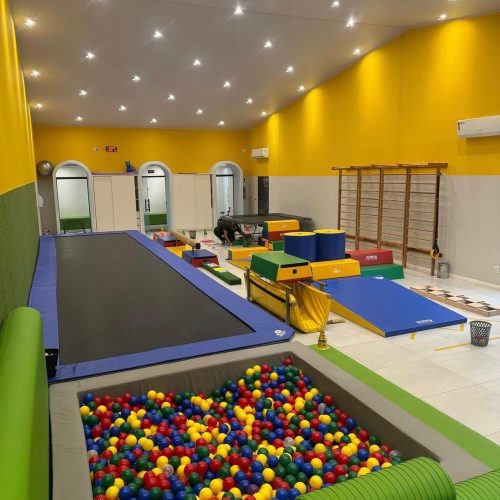
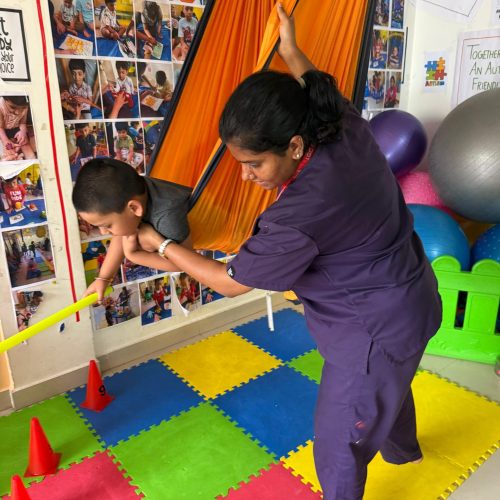
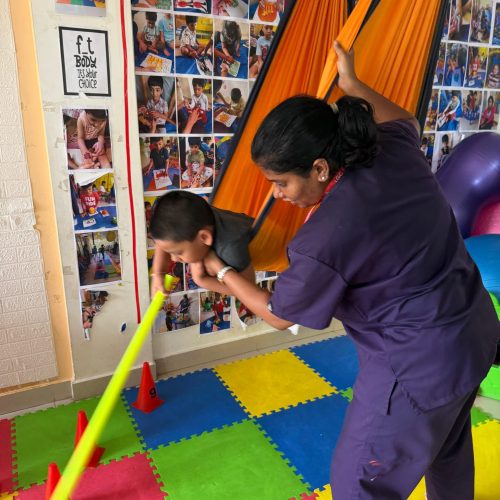
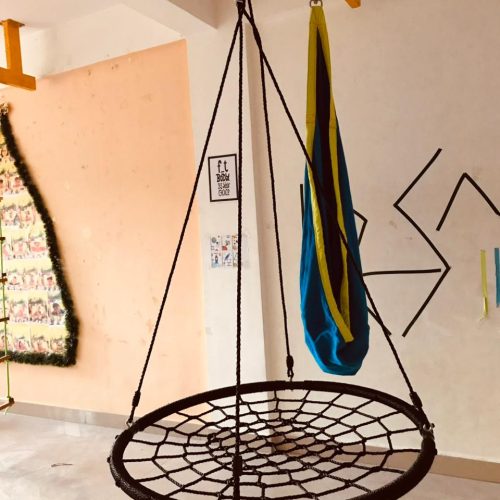
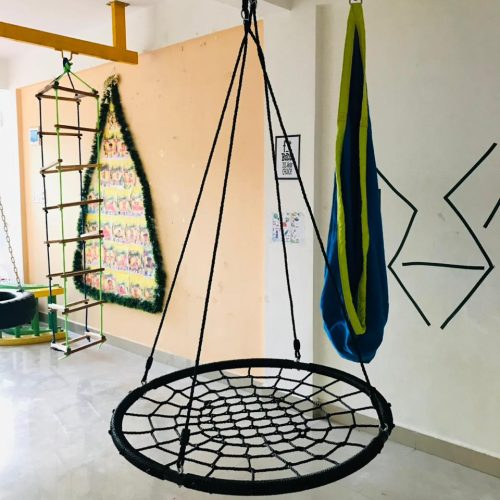
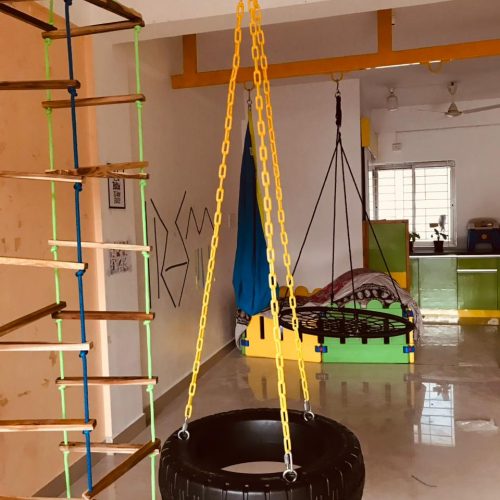
Sensory Integration Therapy

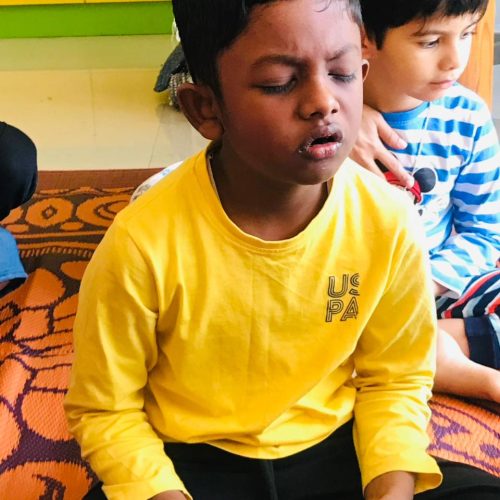
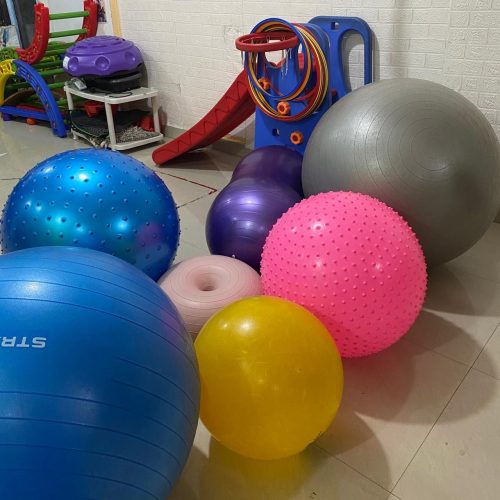
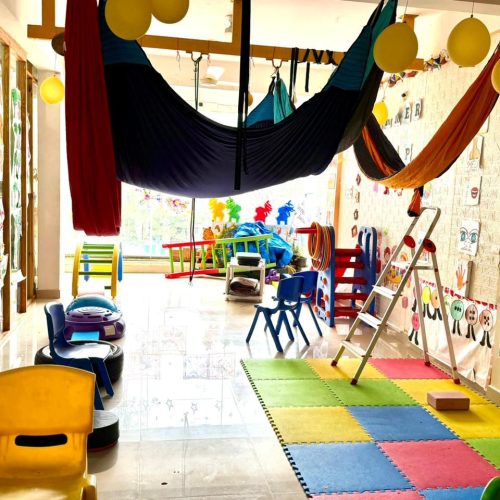
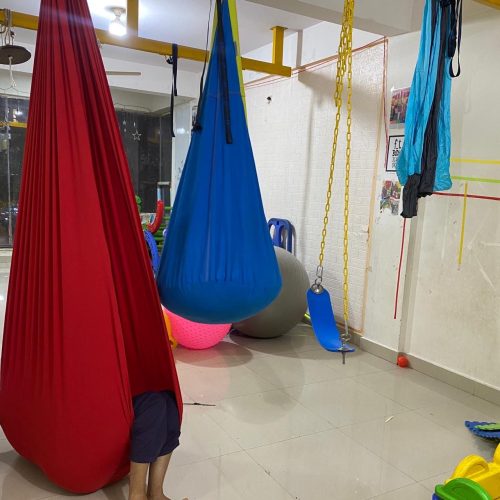
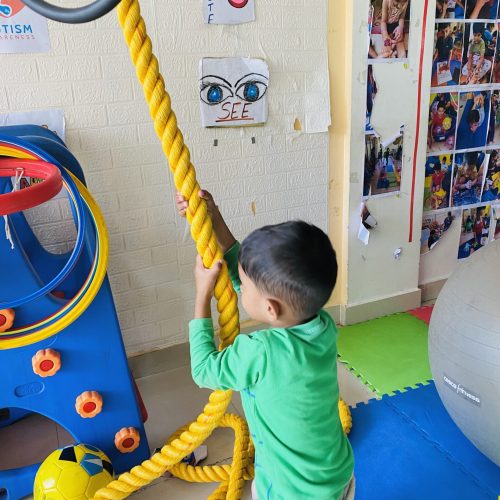
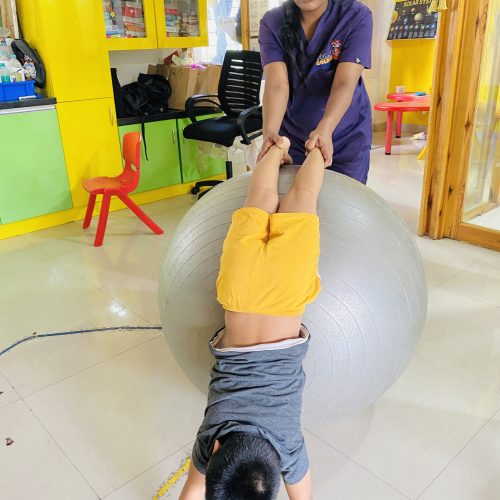
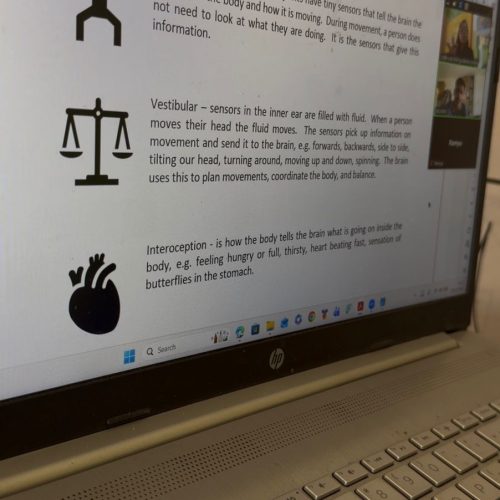
Utilizing Ayres Sensory Integration principles, Therapeutic listening therapy, Astronaut training . our therapists help children process sensory information more effectively, reducing anxiety, improving attention, and enhancing motor skills.


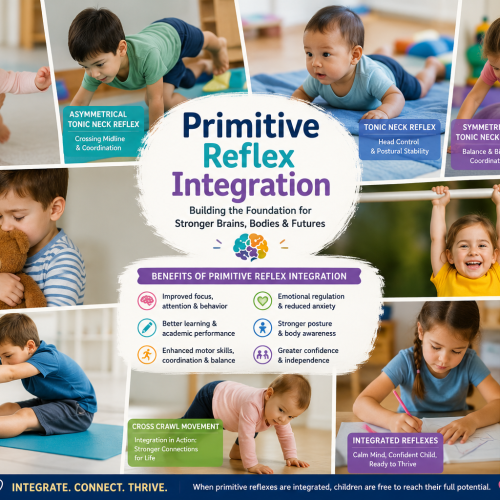
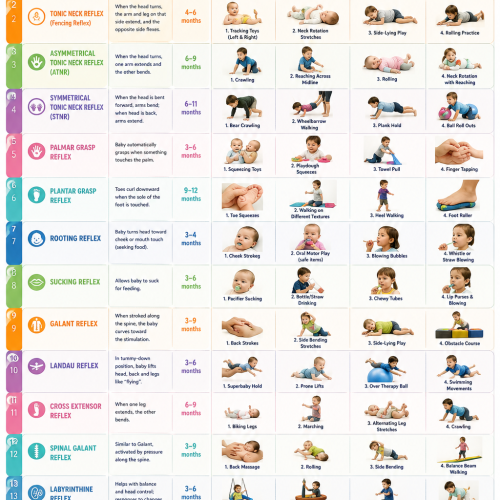
Primitive Reflex Integration

We address retained primitive reflexes that can impact motor development, coordination, and learning readiness through specific neurodevelopmental techniques.


  Functional Therapy

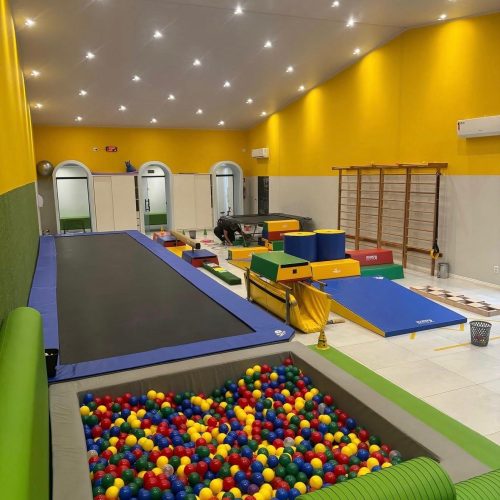
Customized activities focus on fine and gross motor skills, coordination, and muscle strength to improve self-care and play.


  Activities of Daily Living (ADL) Training

Practical training in essential skills such as dressing, feeding, toileting, and grooming to boost autonomy.


Cognitive Development

Using strategies backed by neuroplasticity research, we work on attention, working memory, problem-solving, and executive function skills critical for academic and social success.

Helping children improve:

Lorem ipsum dolor sit amet, consectetur adipiscing elit. Ut elit tellus, luctus nec ullamcorper mattis, pulvinar dapibus leo.


Speech & Language Therapy

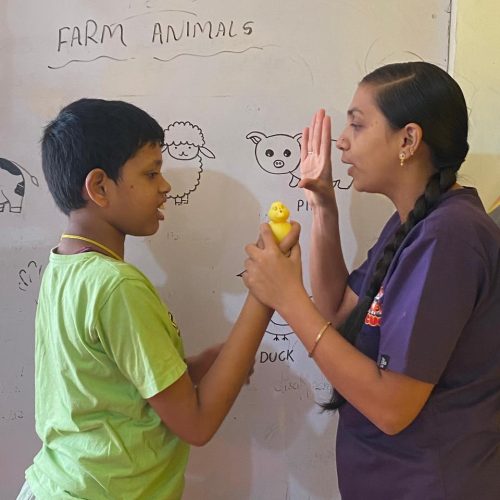
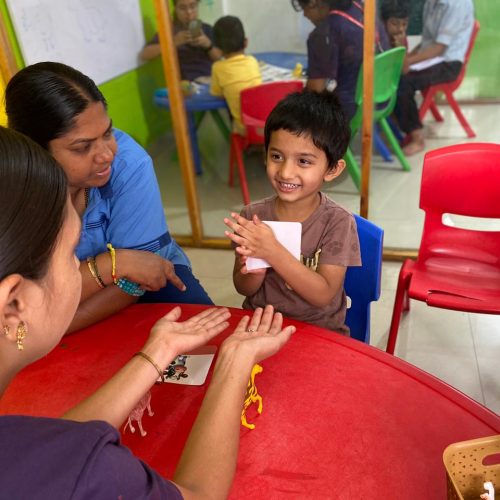
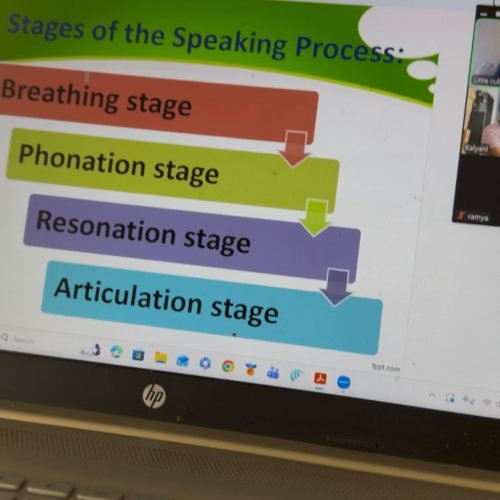
Speech & Language Therapy addresses difficulties in communication, including expressive and receptive language, articulation, fluency (stuttering), voice, and oral motor skills. Children with autism, developmental language disorder, apraxia, or hearing loss often benefit greatly from early and intensive speech therapy.

Our approach integrates evidence-based techniques such as PROMPT (Prompts for Restructuring Oral Muscular Phonetic Targets), PECS (Picture Exchange Communication System), and language enrichment strategies supported by the Hanen Program.

 herapists work closely on developing social communication, improving articulation, expanding vocabulary, and supporting feeding and swallowing issues (oral myofunctional aspects). Our goal is to empower each child to express themselves confidently and participate meaningfully in social and learning environments


Oral Placement Therapy & Feeding Therapy

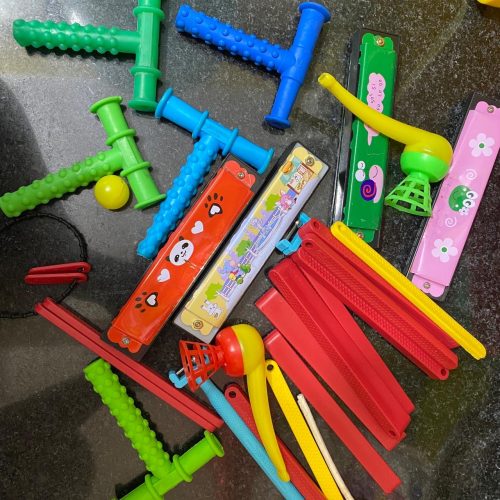
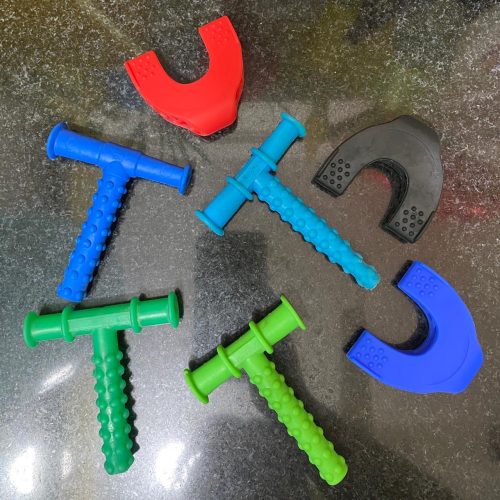
Specialized oral motor intervention for:

  • Feeding difficulties
  • Oral sensory issues
  • Drooling
  • Chewing difficulties
  • Speech motor coordination
  • Oral muscle strengthening

Language Therapy

Interventions target receptive and expressive language delays using approaches like the Hanen Program and PROMPT Therapy to improve vocabulary, sentence structure, and comprehension.


Oral Myofunctional Therapy

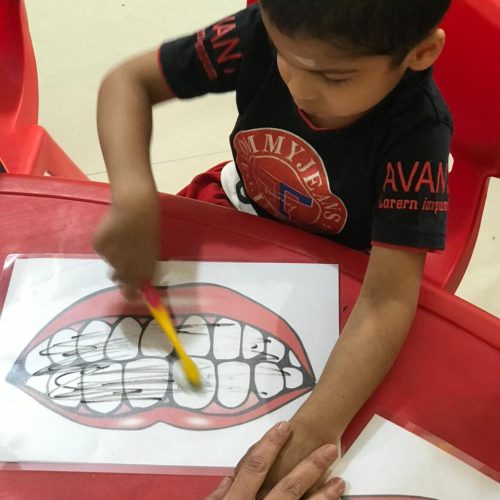
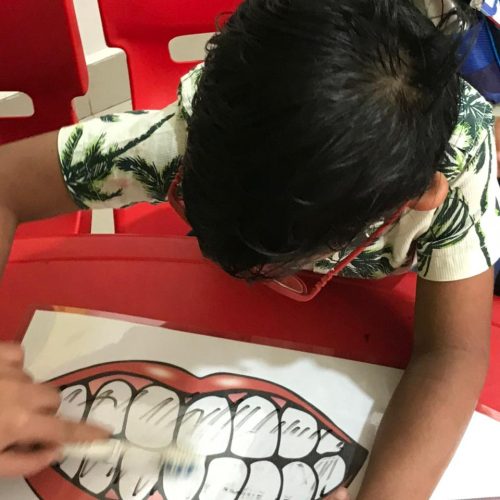
Therapy focuses on strengthening oral muscles to improve articulation, swallowing, and feeding challenges, informed by current orofacial myology research.


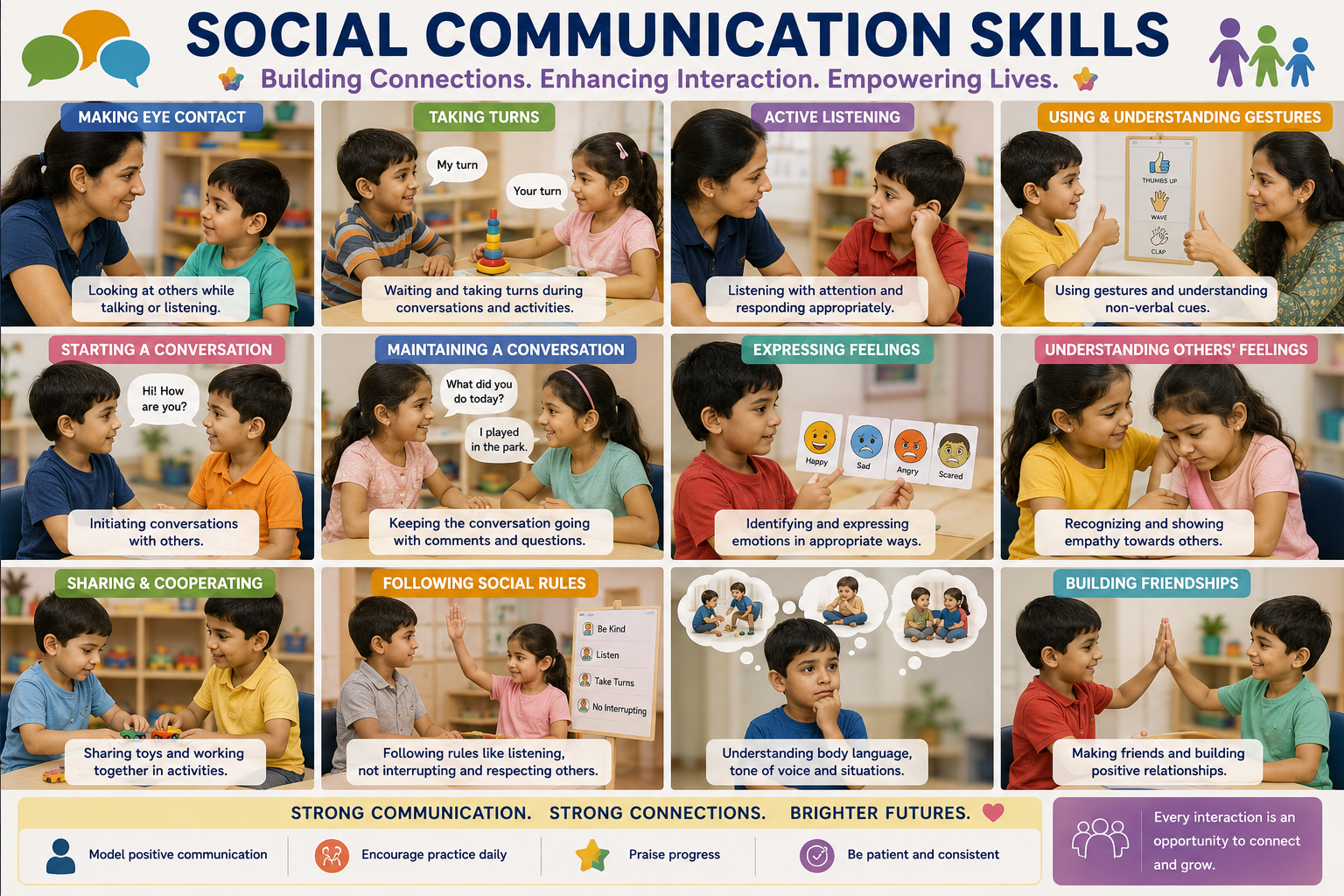
Social Communication Skills

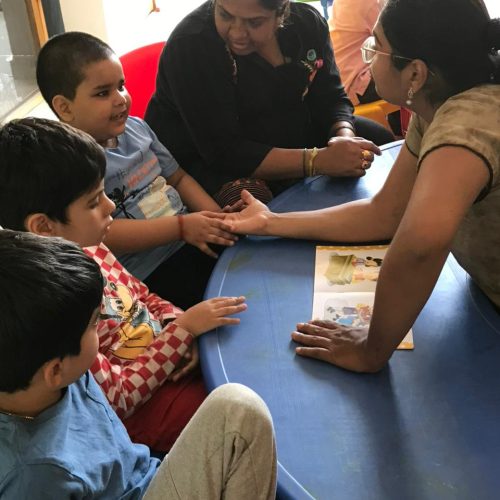
Structured social skills training helps children develop pragmatic language, turn-taking, eye contact, and conversational abilities, often integrating peer-mediated interventions.

Our speech therapy programs support:


ABA & Behavior Therapy

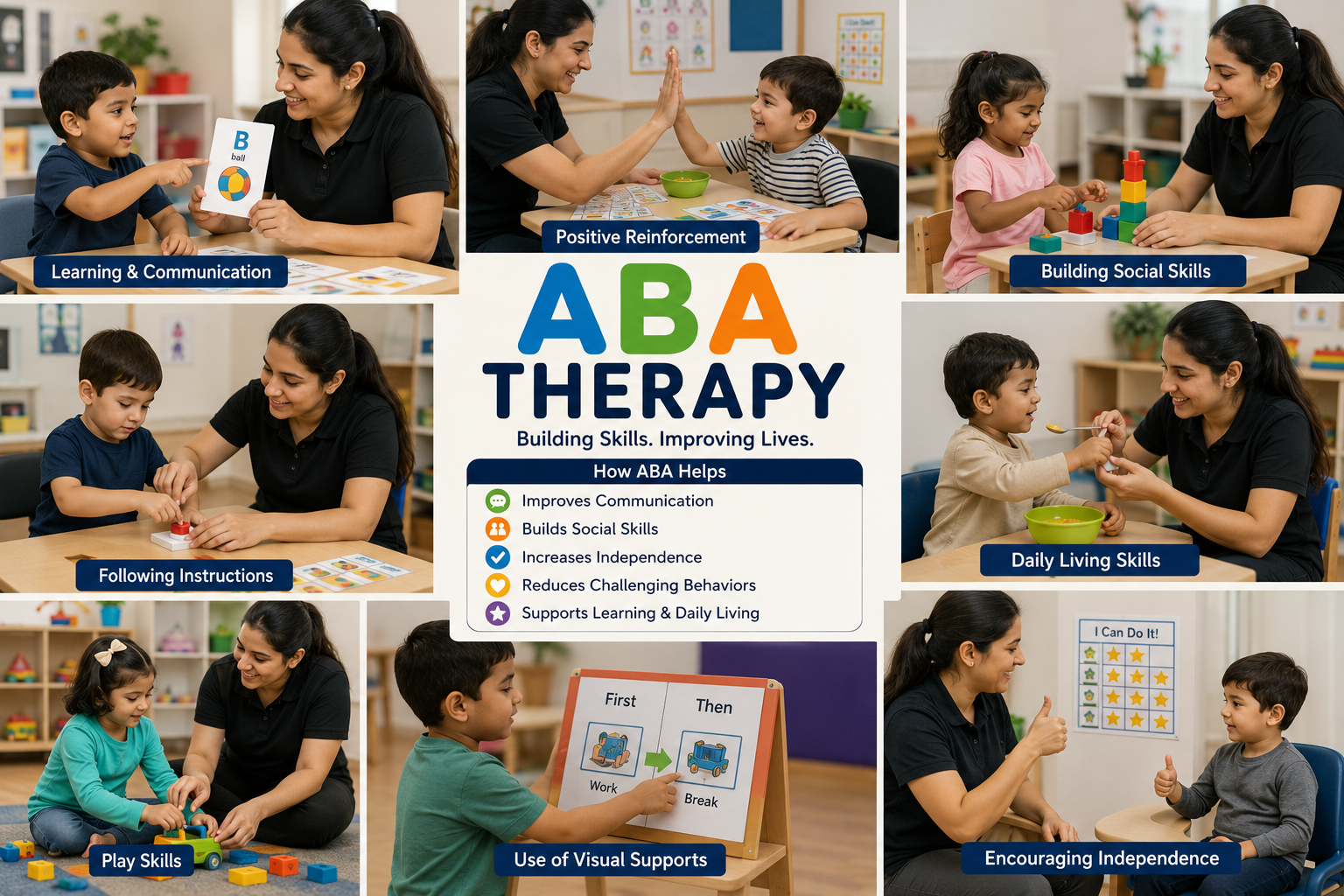
ABA is a scientifically validated approach that uses principles of learning theory to improve socially significant behaviors. ABA focuses on teaching new skills and reducing behaviors that interfere with learning or social interaction.

Our ABA therapy is highly individualized and data-driven, following guidelines from the Behavior Analyst Certification Board (BACB) and evidence outlined in studies by Lovaas (1987) and subsequent meta-analyses demonstrating its effectiveness in autism intervention. 

We create structured programs that emphasize communication, self-care, play, academic readiness, and social skills. Therapists use positive reinforcement to encourage desired behaviors and functional communication, while working collaboratively with families to generalize skills across settings.

Structured behavioral intervention programs for:

• Autism Spectrum Disorder
• ADHD
• Behavioral challenges
• Emotional regulation
• Attention difficulties
• Social skill deficits
• Aggression & tantrums

Programs include:

  • Positive behavior support
  • Functional communication training
  • Reinforcement strategies
  • Social behavior development

Special Education sessions  

We believe parents are the most important part of a child’s developmental journey. Our parent training and counseling services equip families with practical tools, emotional support, and confidence to reinforce skills at home.

Sessions include behavior management strategies, communication techniques, sensory regulation approaches, and daily living skill training, all backed by family-centered intervention research.

Counseling also addresses parental stress, helping families navigate the emotional challenges of raising a child with special needs and promoting overall family well-being.

  • Individualized parent coaching sessions on strategies and techniques 
  • Workshops on understanding autism, ADHD, and other conditions 
  • Guidance on behavior management, communication, and daily routines

Customized academic and cognitive support for children with:

  • Autism
  • ADHD
  • Learning disabilities
  • Intellectual disabilities
  • Developmental delays

Focus areas:

  • Pre-academic skills
  • Reading & writing
  • Math concepts
  • Cognitive development
  • Classroom readiness
  • Individualized education plans 

Physiotherapy

Improving:

  • Balance & coordination
  • Muscle strength
  • Postural control
  • Gross motor development
  • Gait training
  • Mobility & endurance

Ideal for children with cerebral palsy, developmental delay, low muscle tone, and orthopedic conditions.


Psychological Assessment & Counseling

Clinical Psychology / REHABILITATION PSYCHOLOGY

Our clinical psychology services provide comprehensive assessments and therapeutic support for emotional, behavioral, and social challenges.

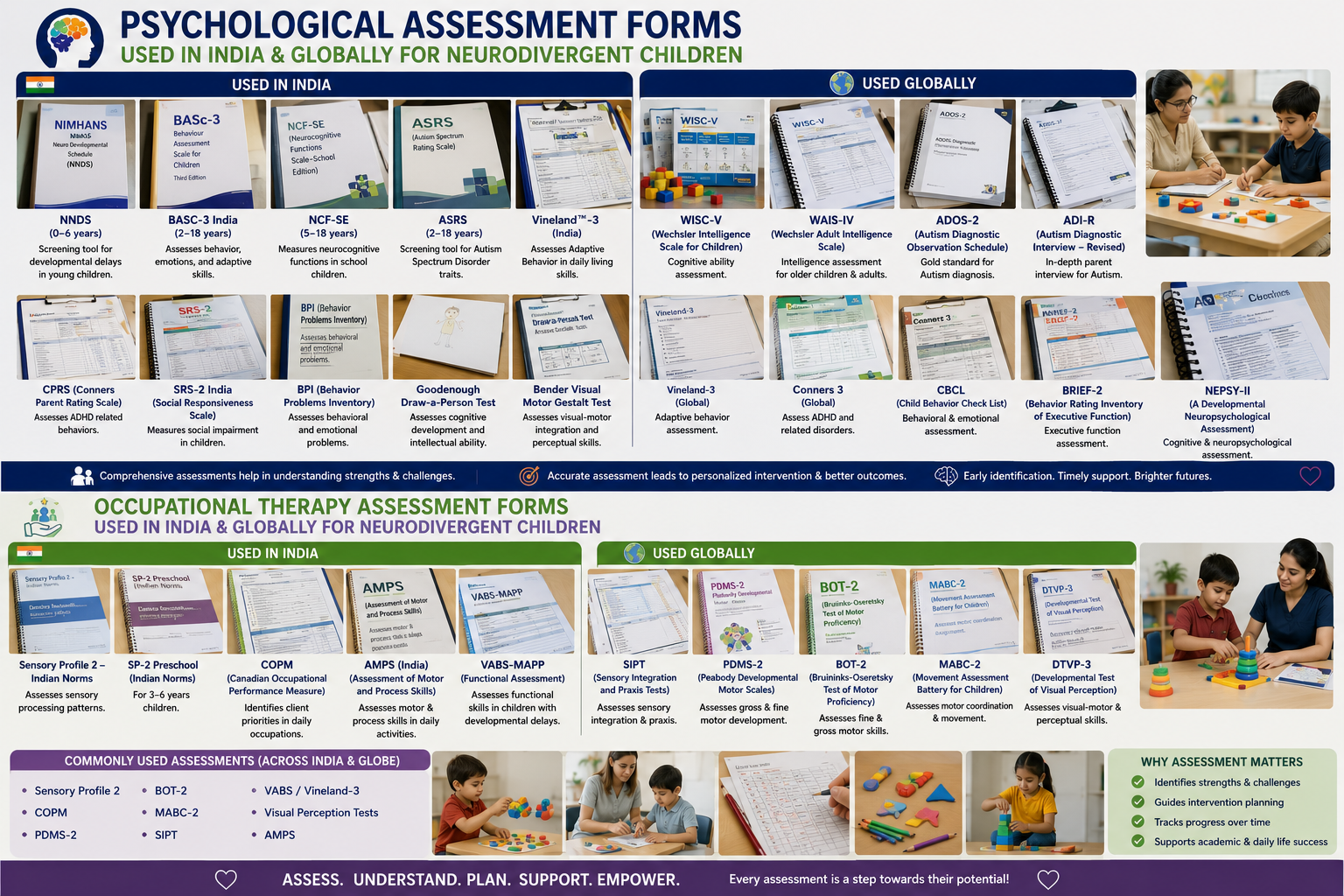
Assessments include cognitive evaluations, developmental assessments, autism diagnostic tools (such as ISAA or ADOS-2), behavioral analysis, and learning profiles, allowing for precise intervention planning.

Therapeutic interventions are rooted in evidence-based approaches such as Cognitive Behavioral Therapy (CBT), Play Therapy, and Social Skills Training, helping children develop emotional regulation, resilience, and positive self-esteem.

Parental guidance is an integral part of our psychological support, ensuring strategies are reinforced at home.

  • Standardized IQ and developmental assessments help tailor interventions.
  • Cognitive-behavioral therapy (CBT) supports anxiety, mood, and behavioral regulation.
  • Parent coaching and family counseling foster supportive home environments.
  • Collaboration with medical and therapy teams ensures integrated care.

Comprehensive evaluations and emotional support services including:

  • Autism assessment
  • ADHD assessment
  • IQ assessment
  • Behavioral assessment
  • Developmental screening
  • Parent counseling

Emotional & behavioral therapy


Early Intervention Program

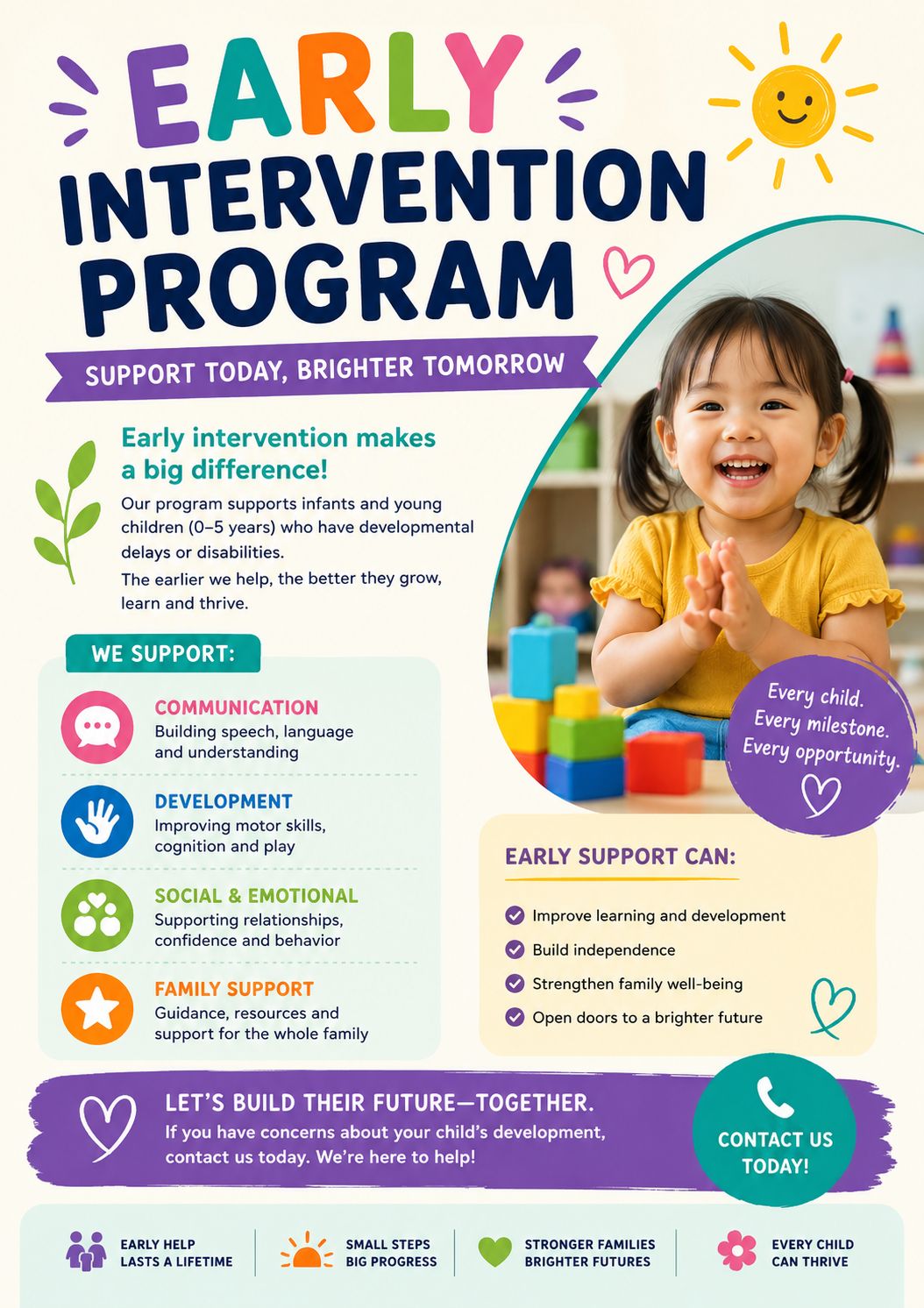
A structured developmental program for children aged 0–6 years focusing on:

  • Communication
  • Motor development
  • Sensory processing
  • Social interaction
  • Cognitive development
  • Parent coaching

Early intervention improves long-term developmental outcomes significantly.


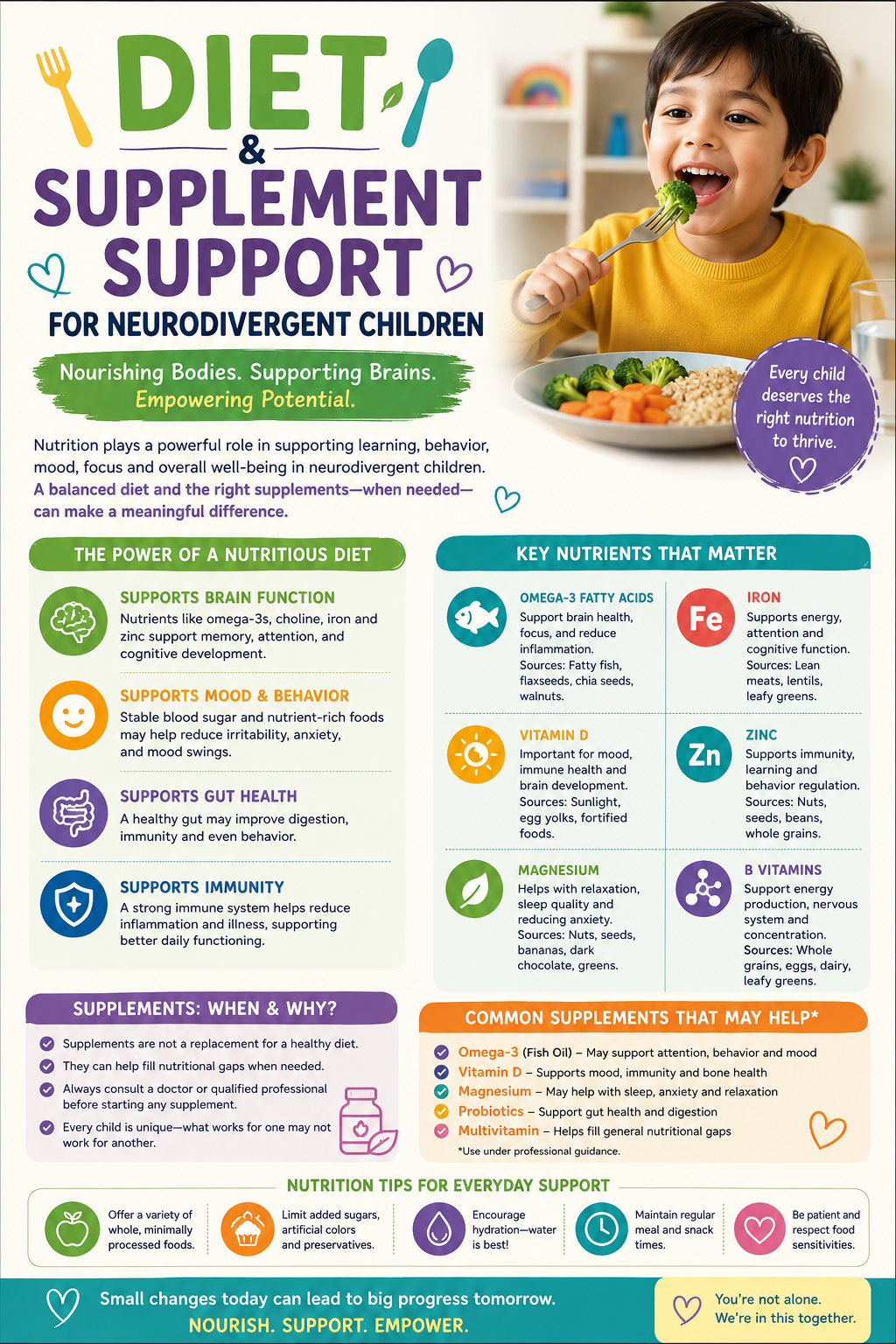
Diet & Supplementation

Nutrition plays a vital role in brain development, behavior, and overall health. Children with autism and neurodevelopmental disorders often experience feeding challenges, selective eating, or gastrointestinal issues, which can affect their growth and learning.

 Our diet and nutrition services are research-informed, integrating approaches such as Elimination Diets, Gut-Brain Axis interventions, and supplementation guidance backed by studies (e.g., Adams et al., 2011 on nutritional and dietary interventions in autism).

 We create individualized meal plans focusing on balanced nutrition, sensory-friendly textures, and strategies for expanding dietary variety, supporting both physical health and cognitive development.

  • Nutritional screening and personalized diet plans based on latest research on gut-brain axis and metabolic profiles in neurodevelopmental disorders
  • Supplement protocols designed with input from clinical and behavioral assessments.
  • Ongoing monitoring and adjustments in collaboration with therapists and physicians.

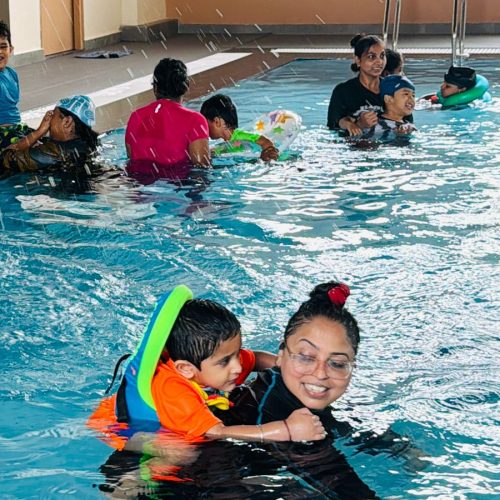
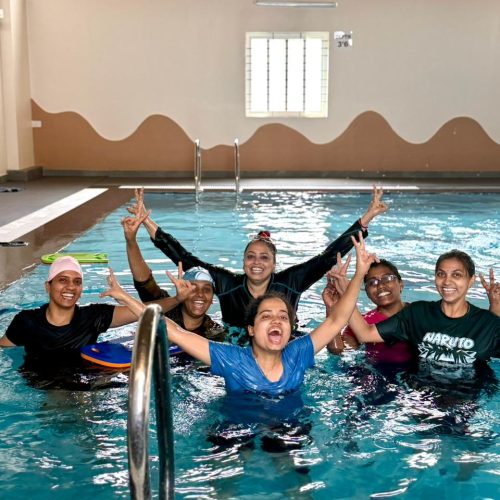
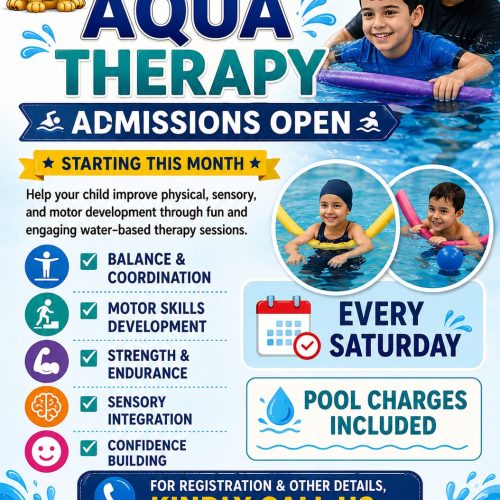
Aqua Therapy

We are so proud and committed at the same time to helping everyone we can! At LGC our dedicated & Highly trained therapists provide multiple interventions from the world under one roof to help children & young adults with a broad range of conditions. These include, but are not limited to ;


Group Therapy

We are so proud and committed at the same time to helping everyone we can! At LGC our dedicated & Highly trained therapists provide multiple interventions from the world under one roof to help children & young adults with a broad range of conditions. These include, but are not limited to ;


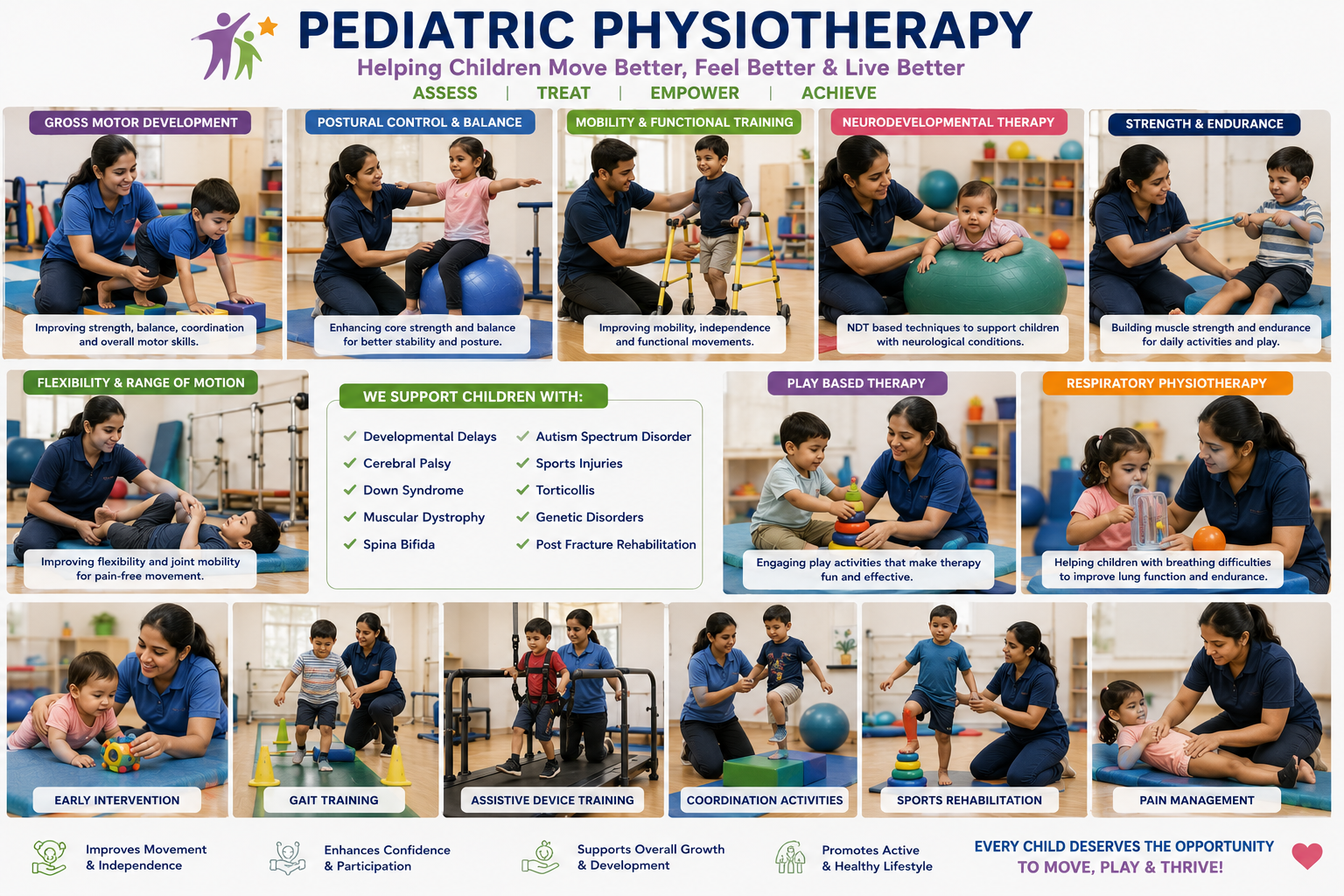
Pediatric PHYSIOTHERAPY

We are so proud and committed at the same time to helping everyone we can! At LGC our dedicated & Highly trained therapists provide multiple interventions from the world under one roof to help children & young adults with a broad range of conditions. These include, but are not limited to ;

1. Cerebral palsy

Understanding and Support for Individuals with Movement and Coordination Challenges Arising from Early Brain Development Factors.

3. Traumatic & Anoxic brain injuries:

Comprehensive Care and Rehabilitation for Individuals Coping with Acquired Brain Damage Due to Injury or Oxygen Deprivation.

5. Ataxia:

Navigating Balance and Coordination Challenges with Specialized Care and Support, Empowering Individuals to Improve Mobility and Function.

7. Down syndrome & other genetic disorders:

Tailored Support and Holistic Care for Individuals and Families, Promoting Health and Well-Being at Every Stage.

2. Developmental delay:

Compassionate Support and Guidance for Children Facing Milestone Challenges in Growth and Learning.

4. Spina Bifida:

Providing Holistic Support and Management for Individuals with Neural Tube Defects, Promoting Health and Quality of Life.

6. Dystonia:

Comprehensive Care and Management for Individuals with Neurological Disorders, Enhancing Quality of Life through Specialized Treatment and Support.

8. Post-stroke:

Specialized Care and Therapy to Aid Recovery and Enhance Quality of Life After Stroke.

9. Prematurity:

Compassionate Care and Support for Infants Born Early, Ensuring Optimal Growth and Development Milestones.

11. Hypotonicity:

Customized Therapy to Address Muscle Weakness and Low Tone, Enhancing Strength and Mobility for Improved Functionality.

13. Torticollis/wry neck:

Specialized Treatment to Address Neck Muscle Imbalance, Restoring Comfort and Mobility for Improved Well-Being.

15. Fine Motor Planning Difficulties:

Tailored Strategies to Enhance Precision, Coordination, and Dexterity for Improved Task Execution.

17. Orthotic concerns:

Personalized Solutions for Foot and Ankle Support, Addressing Comfort, Stability, and Mobility Needs.

10. Hypertonicity:

Targeted Therapy to Address Muscle Stiffness and Spasticity, Improving Flexibility and Function for Enhanced Movement.

12. Muscular dystrophy:

Compassionate Care and Support for Individuals Living with Progressive Muscle Weakness, Promoting Independence and Quality of Life.

14. Gross motor incoordination:

Targeted Interventions to Improve Balance, Coordination, and Movement Efficiency for Enhanced Physical Function.

16. Gait Difficulties:

Individualized Interventions to Improve Walking Patterns and Mobility, Enhancing Independence and Confidence in Daily Life.

18. Other neurological problem:

Comprehensive Assessment and Customized Treatment Plans to Address a Wide Range of Neurological Challenges, Enhancing Quality of Life and Functionality.


Preschool & School Readiness Program

Our school readiness program helps children build essential foundational skills for successful classroom participation.

Focus Areas

  • Sitting tolerance
  • Attention span
  • Fine motor skills
  • Pencil grip
  • Communication
  • Following instructions
  • Social interaction
  • Emotional regulation
  • Cognitive readiness
  • Independence skills

TELE REHAB

Tele Therapy

We are so proud and committed at the same time to helping everyone we can! At LGC our dedicated & Highly trained therapists provide multiple interventions from the world under one roof to help children & young adults with a broad range of conditions. These include, but are not limited to ;

Available Across the Globe

Trusted By Families Across 4+ Countries

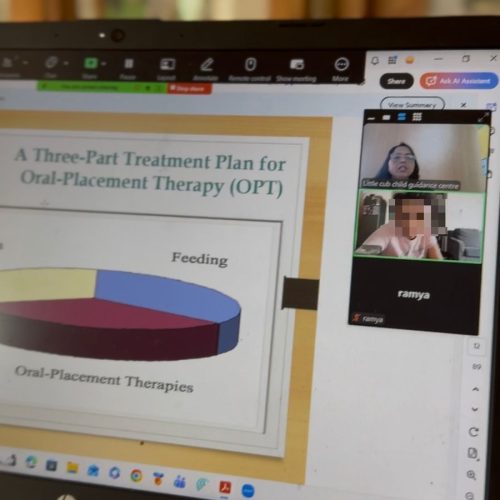
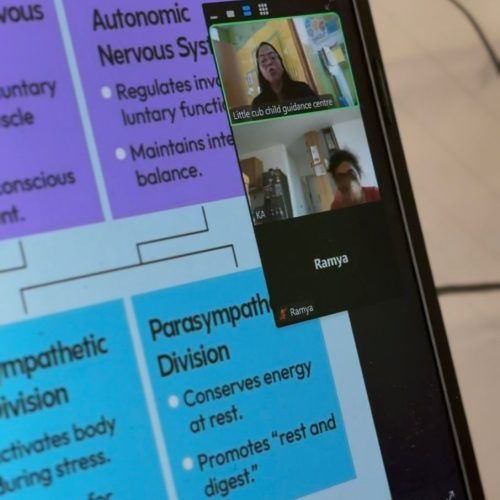
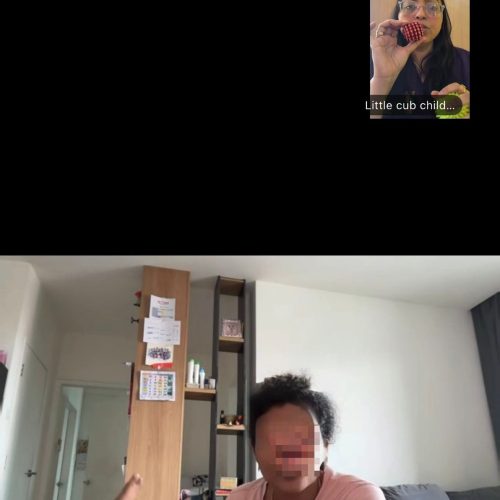
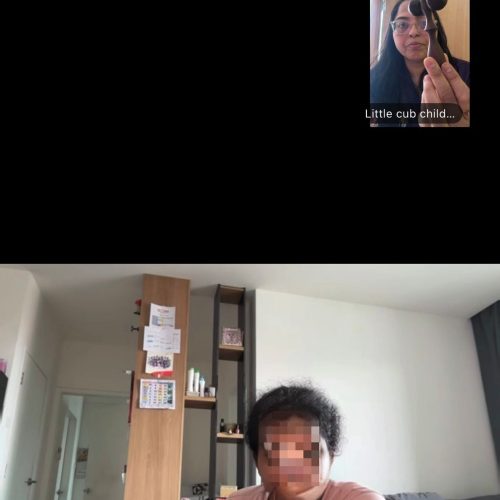
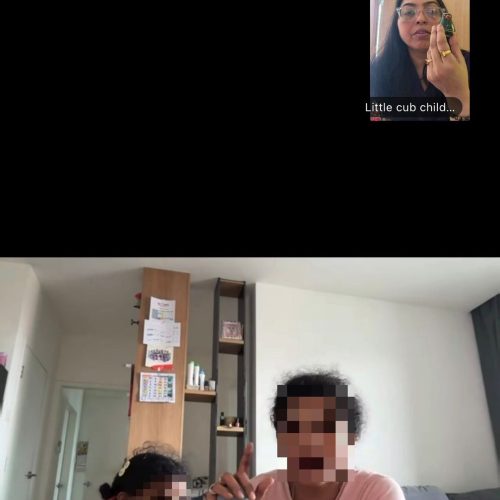
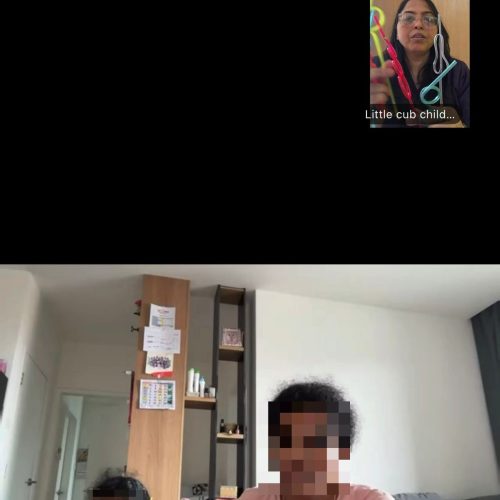
We offers comprehensive tele-rehabilitation services for children with developmental, behavioral, speech, and neurodiverse needs—delivered worldwide. 

Our Tele-Rehab Services are Accessible Worldwide.

We proudly serve families from :  India | UK | Indonesia|  Malaysia

Tele-Rehabilitation & Virtual Developmental Care Program

LGC Foundation’s Tele-Rehabilitation Program is a comprehensive, evidence-based virtual intervention platform designed to deliver high-quality pediatric neurodevelopmental care beyond geographical boundaries. Led by Dr. Anupma Kumari and a multidisciplinary team of experienced Occupational Therapists, Physiotherapists, Speech & Language Pathologists (SLPs), ABA specialists, Special Educators, and Clinical Psychologists, our tele-rehab model combines clinical precision, technology-enabled monitoring, and family-centered intervention to ensure continuity of care in every environment.

Our virtual rehabilitation services are built on scientifically structured assessment, individualized therapy planning, and measurable developmental outcomes. Each child undergoes comprehensive screening and standardized evaluations using clinically recognized assessment tools, including:

  • ISAA (Indian Scale for Assessment of Autism)
  • CARS (Childhood Autism Rating Scale)
  • Conners Rating Scales
  • VADPRS / VADTRS
  • Occupational Therapy Functional Assessments
  • Oral Placement Therapy (OPT) Assessments
  • Sensory Profile Assessments
  • Primitive Reflex & Reflex Integration Profiles
  • Behavioral and Developmental Screening Frameworks

Based on the assessment findings, our experts develop highly personalized intervention programs tailored to the child’s developmental profile, sensory needs, communication abilities, behavioral patterns, cognitive strengths, and functional goals.
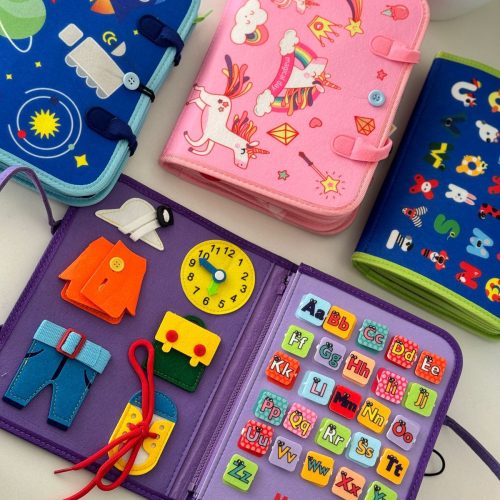
Personalized Virtual Therapy With Measurable Outcomes

The LGC Tele-Rehab model integrates live one-on-one therapy sessions with structured parent coaching, home-based intervention planning, and secure digital progress tracking systems to create a seamless therapeutic ecosystem.

Each child receives:

  • Individualized weekly and monthly developmental goals
  • Customized home intervention plans
  • Guided activity protocols and task checklists
  • Therapy demonstration videos and caregiver training modules
  • Sensory regulation and behavioral management strategies
  • Functional skill-building activities for daily routines
  • Regular reassessment and outcome-based progress reviews

Our structured telehealth framework empowers parents to become confident and informed co-therapists while maintaining therapeutic consistency across home, school, and community settings.
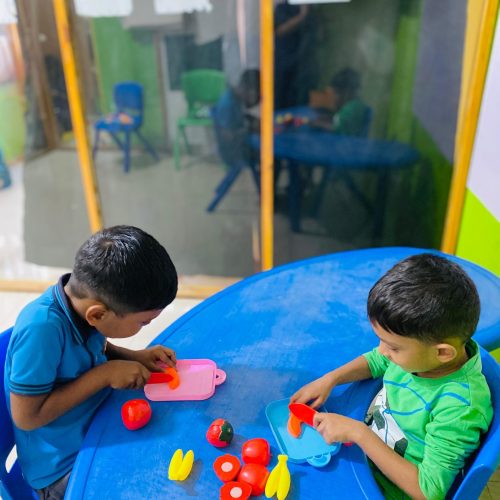
Technology-Enabled Continuity of Care

LGC’s tele-rehabilitation system is designed to ensure continuity, transparency, and accountability in therapeutic care through:

  • Secure digital documentation and progress monitoring
  • Regular clinical reviews and reassessments
  • Data-driven goal tracking
  • Flexible scheduling across different time zones
  • Continuous therapist-parent collaboration
  • Evidence-based intervention modifications based on measurable outcomes

This integrated model allows therapists to closely monitor developmental progress while adapting intervention strategies dynamically according to the child’s evolving needs.
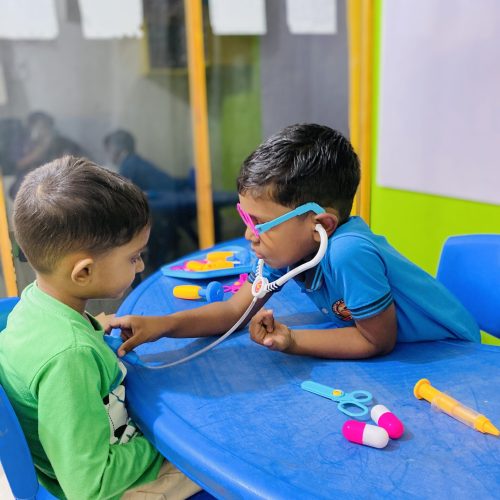
Accessible Specialized Care Beyond Boundaries

Our tele-rehabilitation services are especially beneficial for:

  • Families residing in remote or underserved areas
  • NRIs and international families seeking expert Indian clinical support
  • Children requiring continuity of therapy during relocation or travel
  • Parents preferring structured home-based intervention programs
  • Children who respond better in familiar home environments

By combining scientific rigor, multidisciplinary expertise, practical home strategies, and compassionate family guidance, LGC Foundation’s Tele-Rehabilitation Program delivers accessible, outcome-oriented, and clinically advanced developmental care that creates meaningful progress and long-term impact for children and families worldwide.


OPENING HOURS

Monday – Saturday
(8:30 AM – 7:30 PM)

Book An Appointment

Schedule an appointment now to access advanced, research-driven therapies, expert medical guidance, and personalized treatment plans that ensure measurable progress, resilience, and healthier futures.


Call Now